

Sane or Insane?
On day three, myself and three others left the motel in Steamboat Springs at 4:45 a.m. to begin another day in the saddle. The night before it had rained for several hours and the affects storm were still there — there was a dense, misty fog. I could barely see as a mist collected on my prescription glasses. Some of the others removed their clear protective spectacles for better visibility. There was little traffic, so three of us rode side by side in this midst of darkness. I was peddling with faith, hoping there were no hidden pot holes to ensnare my narrow 1-inch wide wheels. While we were moving along, a passenger in an approaching car with a window down, yelled out “Insane!”
So one might ask, is cycling 750 miles over a period of four days, in darkness, in stiff winds, in temps ranging from freezing to 90-degree sunlight, in fog, hail, lightening, or descending curvy highways at night in the rain — all without a support vehicle close by, a “sane” activity? Hmmm…..I’m beginning to wonder.
Introduction
My annual “big event” of the summer, was this new grand randonnée (or brevet), called the Colorado High Country 1200.
I may add more narrative at a later date, but below are the various stages or “days” that most riders followed (some leap-frogged ahead, omitting a nights sleep). The total distance traveled was 1200 km or 750 miles. The total “claimed” vertical was 28,000 feet.
| Stage | Mileage | Destination | Climbing | Max. Elev. | High Points |
| 1 | 219 | Saratoga WY | 8,053 ft. | 10,276 ft. | climb over Cameron Pass |
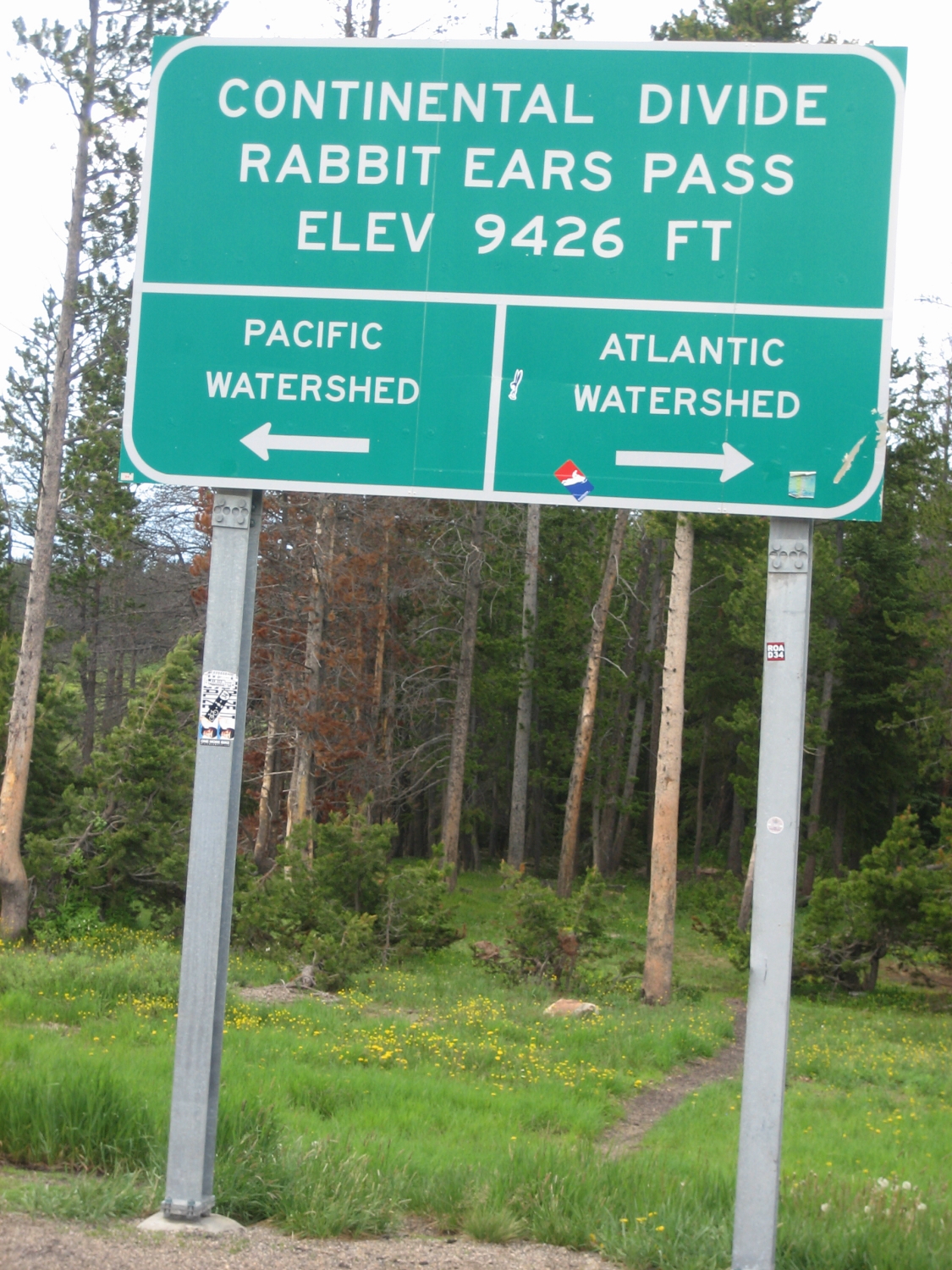
| 2 | 199 | Steamboat Springs | 9,079 ft. | 10,700 ft. | Snowy Range; Muddy and Rabbit Ears Passes |
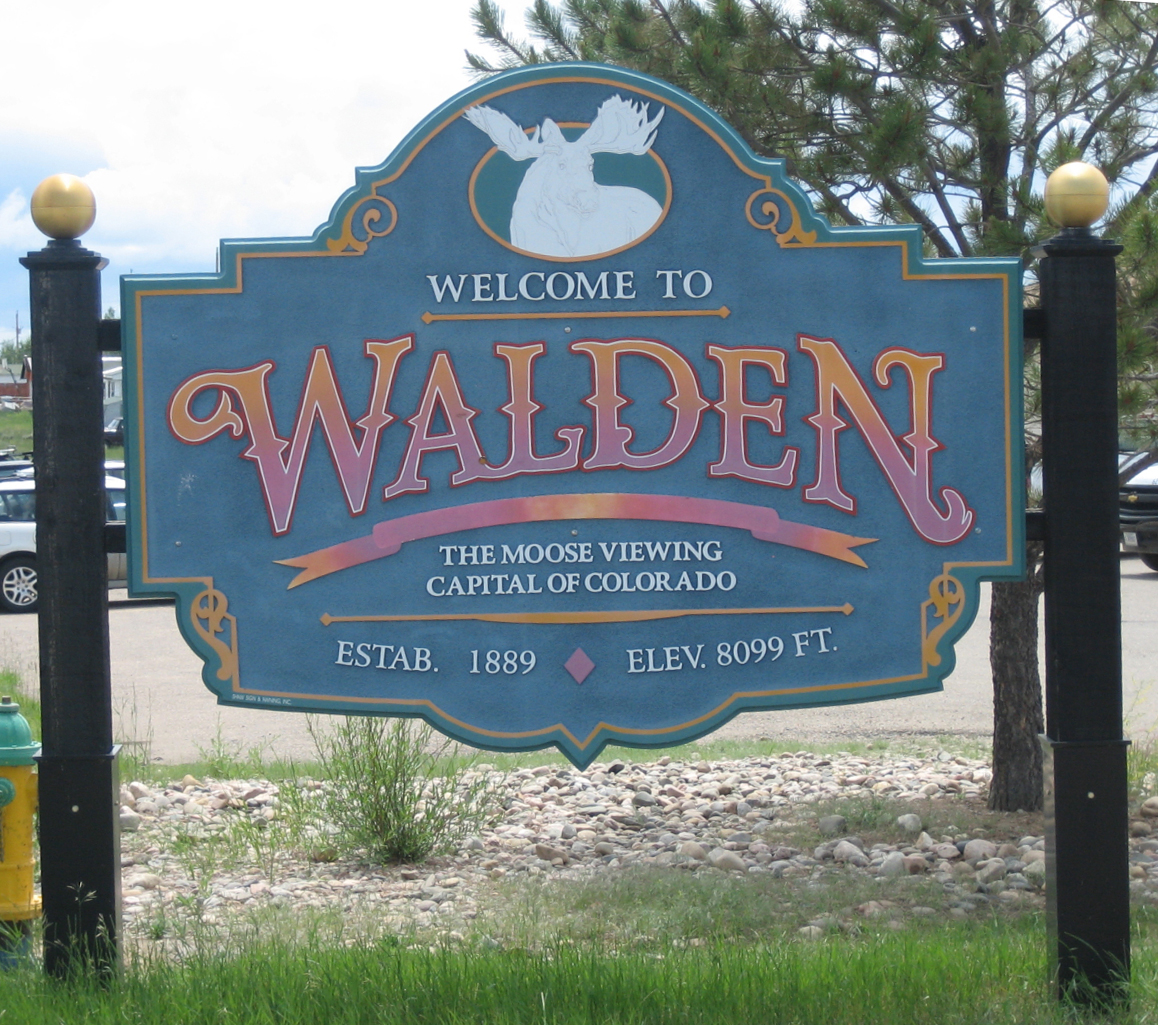
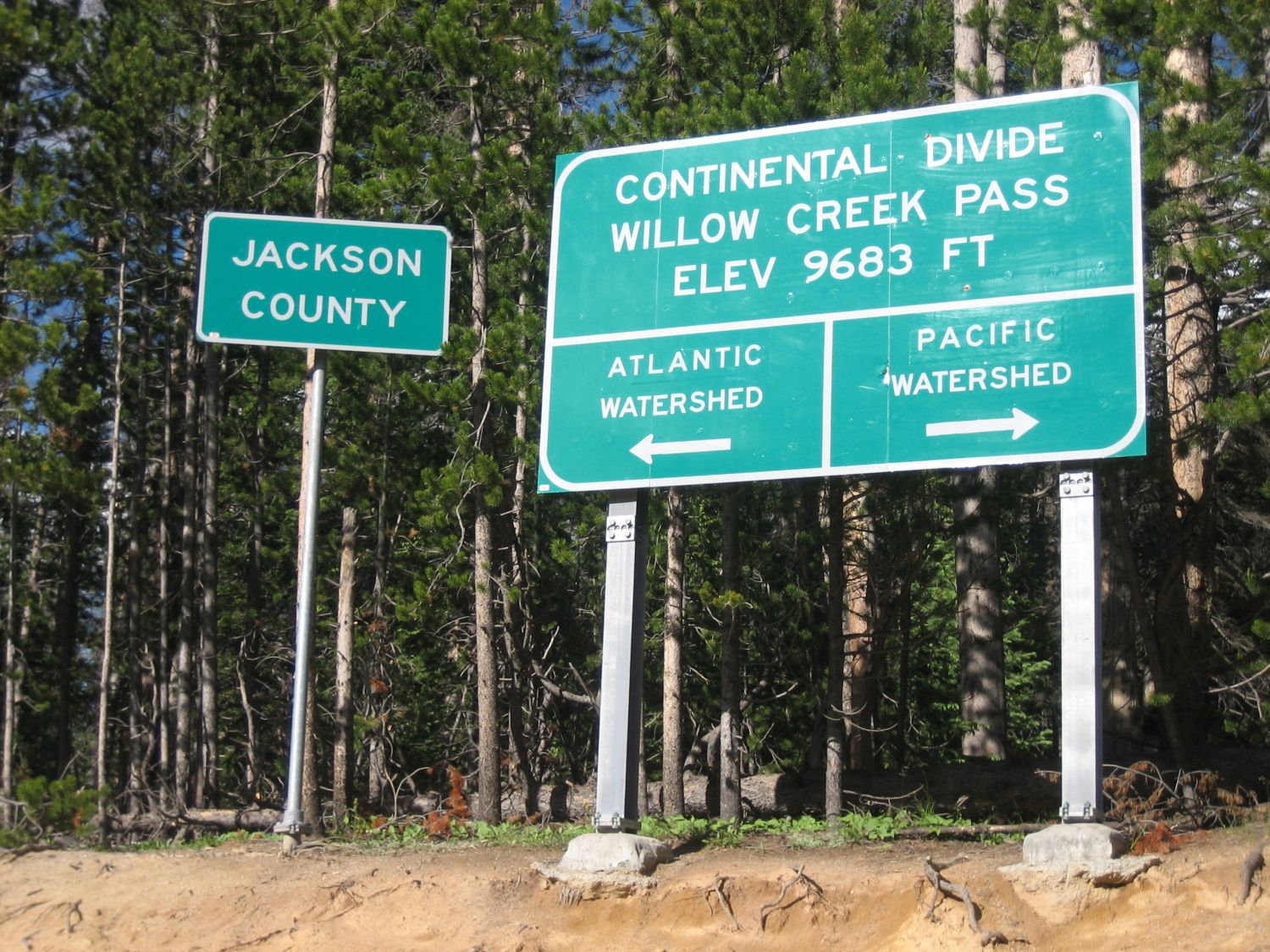
| 3 | 193 | Walden | 7,662 ft. | 9,527 ft. | climb over Willow Creek Pass |
| 4 | 147 | Louisville | 4,157 ft. | 10,276 ft | return climb over Cameron Pass |
The event was held from July 11th through the 14th, 2011. Because I spent 18 years in Colorado (prior to my conversion to cycling), I had a special interest in this new brevet. Aside from just finishing, I used my usual 1200 MO, which is to arrive at each overnight checkpoint before dark (usually around 7 p.m., finally retiring by 9), thereby providing me with the option for an early departure the next day if needed. I usually left the following morning between 3:00 to 5:00 a.m.
My CHC1200 Favorites List
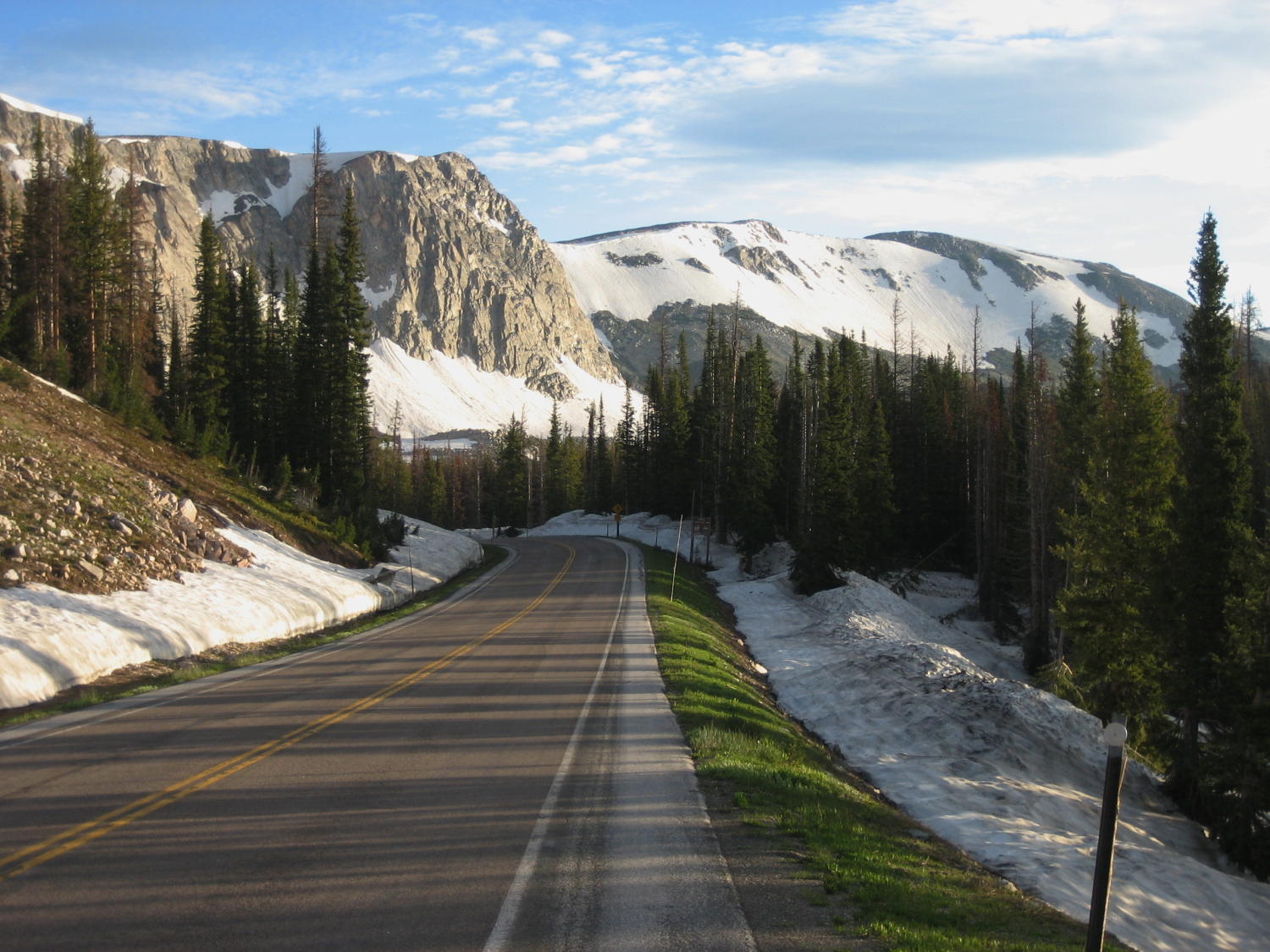
Favorite climb: Snowy Range (stunning views at sunrise)
Favorite descent: Gore Pass (warm part of the day, very quick, nice asphalt & little traffic)
Least favorite descent: Rabbit Ears Pass (it was approaching dusk, raining heavily, several cars passing by keeping me near the slick white line)
Least favorite climb: The so-called “stiff climb” south of Laramie on day two (totally unexpected, almost 6 miles long & during the hot part of the day)
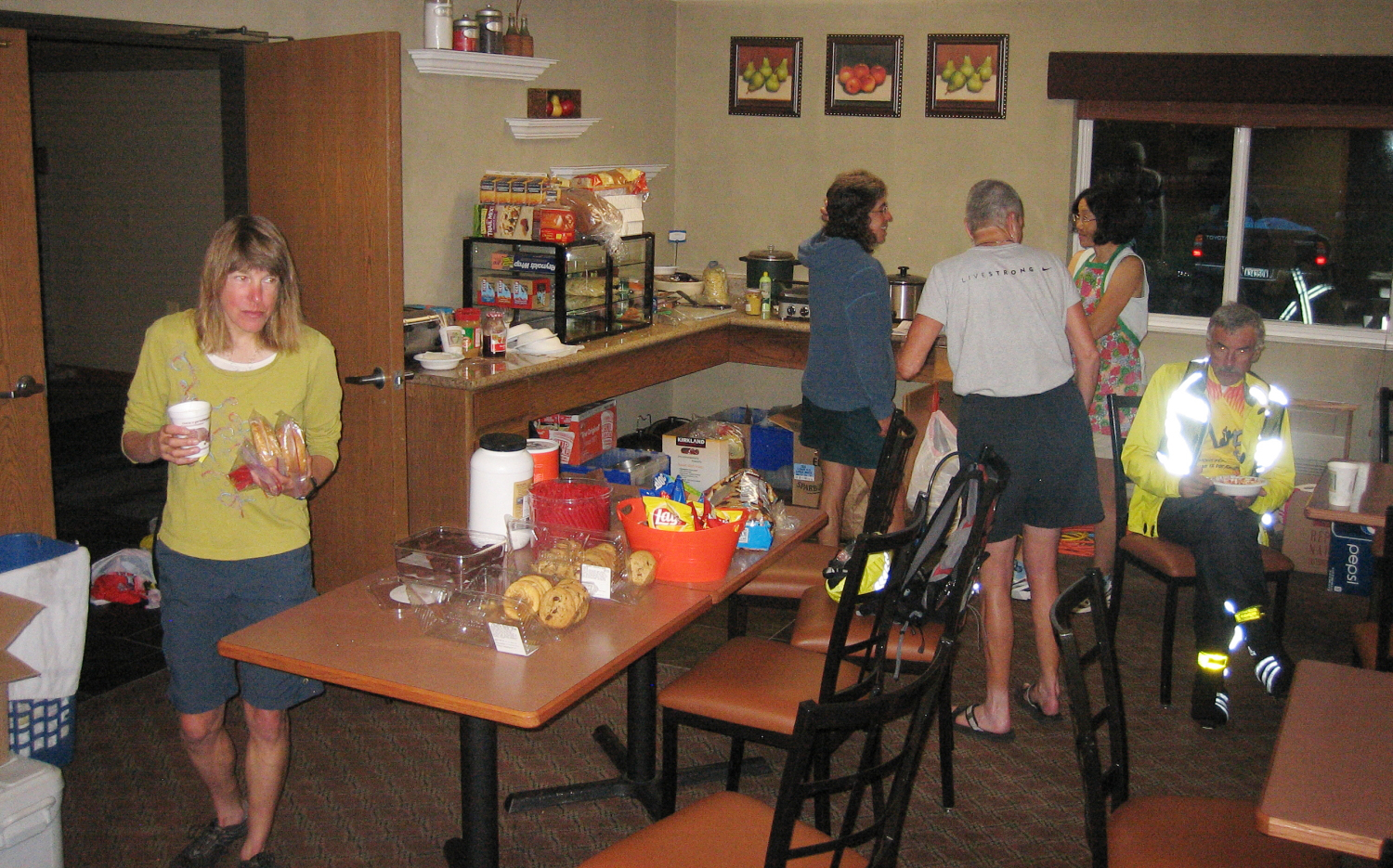
Favorite volunteer-provided supper: Cilantro Rice with Black Beans
Favorite volunteer-provided breakfast: Breakfast Burritos
Favorite flat section: The first 64 miles. (I was [barely] able to hang onto the lead group paceline, covering those miles quickly & also not having to worry about route-finding issues).
Least favorite flat section: The lead-in to Walden on day three, after descending Willow Creek Pass (a 21-mile section with many, many, many unsealed road cracks — oh yes, and also my encounter with the logging truck that nearly took me out).
Favorite checkpoint food: The grocery store in Kremmling, just as we entered town (a deli with nice selection of food, a soda fountain, outdoor shaded patio dining & large windows so we could keep an eye on our bikes).
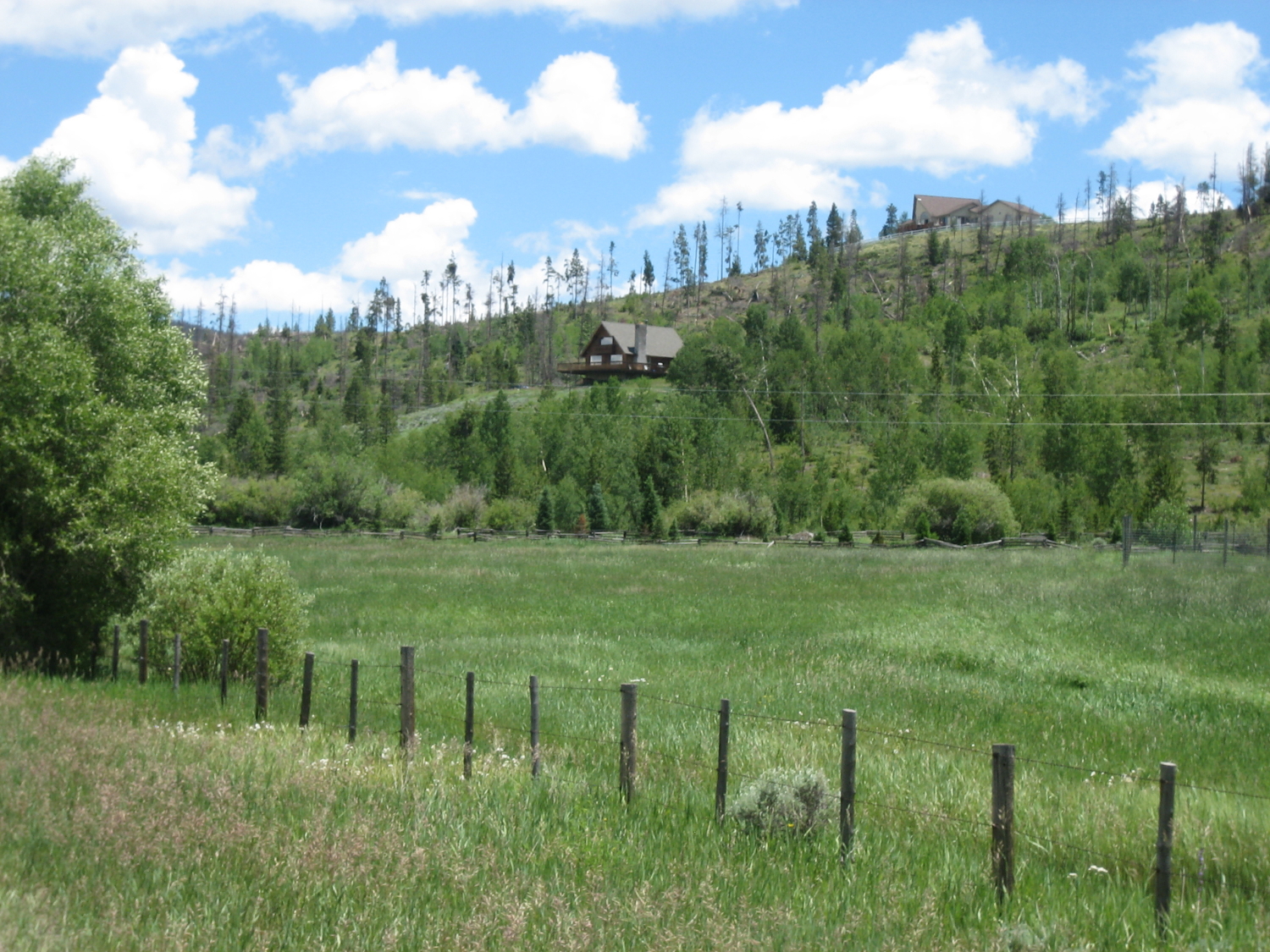
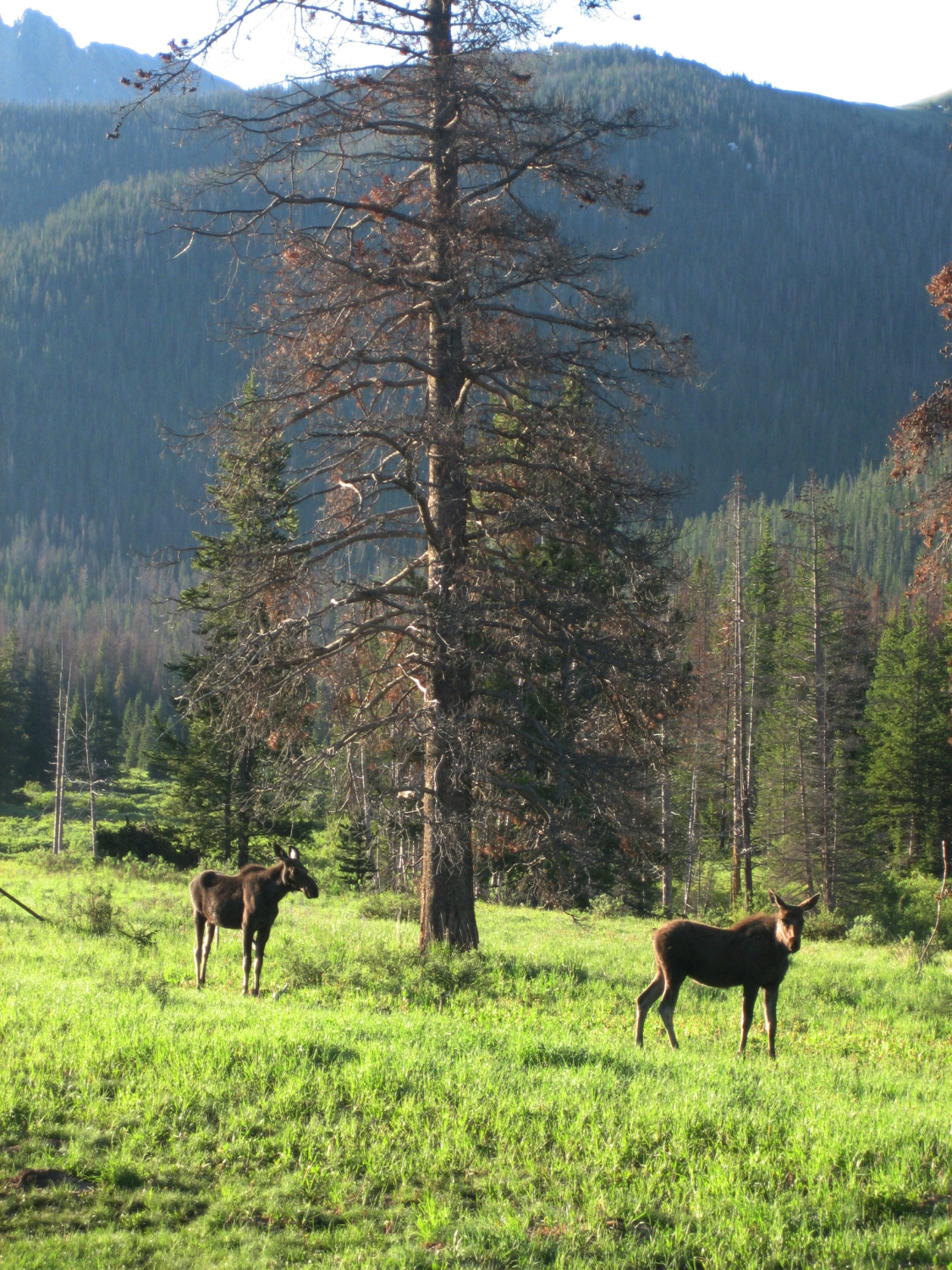
Why this is my favorite 1200 to date: There was stunning views with every changing scenery. The opportunity to get more sleep than on previous 1200s (no hot gymnasiums floors — in fact I had a private room two nights). No flats or mechanical issues. A rather simply route and I (finally) had no route-finding errors. Little wind problems during the 4-day brevet.
Statistics
Overall finishing rate: 75%. 48 started and 36 finished. (This does not include staffers JLE & Foon that completed the pre-ride.)
My total time: 83:52 (90 hours was the cut off on this event)
My average traveling speed: 14.97 MPH
Maximum speed: 43.3 MPH
Average cadence: 74
Total cycling or “‘on bike” time: 49 hours, 52 minutes
Calories burned while riding: 15, 415 (seems low)
Heart rates: 103 average, with a max. of 154 (only 8% in the upper 20% zone, 12% in the middle and 60% in the lower zone). My maximum climbing or sustained heart rate on day one was approx. 140 BPM with a “sprinting” rate of 154 BPM. On day two, my climbing rate dropped to 115 with a maximum sprint rate of only 120 or so. On day three and four my maximum climbing rate was about 110 with maximum sprint rate of about 118.
Lowest temp recorded: 37F on the climb to Snowy Range (day two) & on the final climb to Cameron Pass (day four).
Highest temp: about 90F on day three.
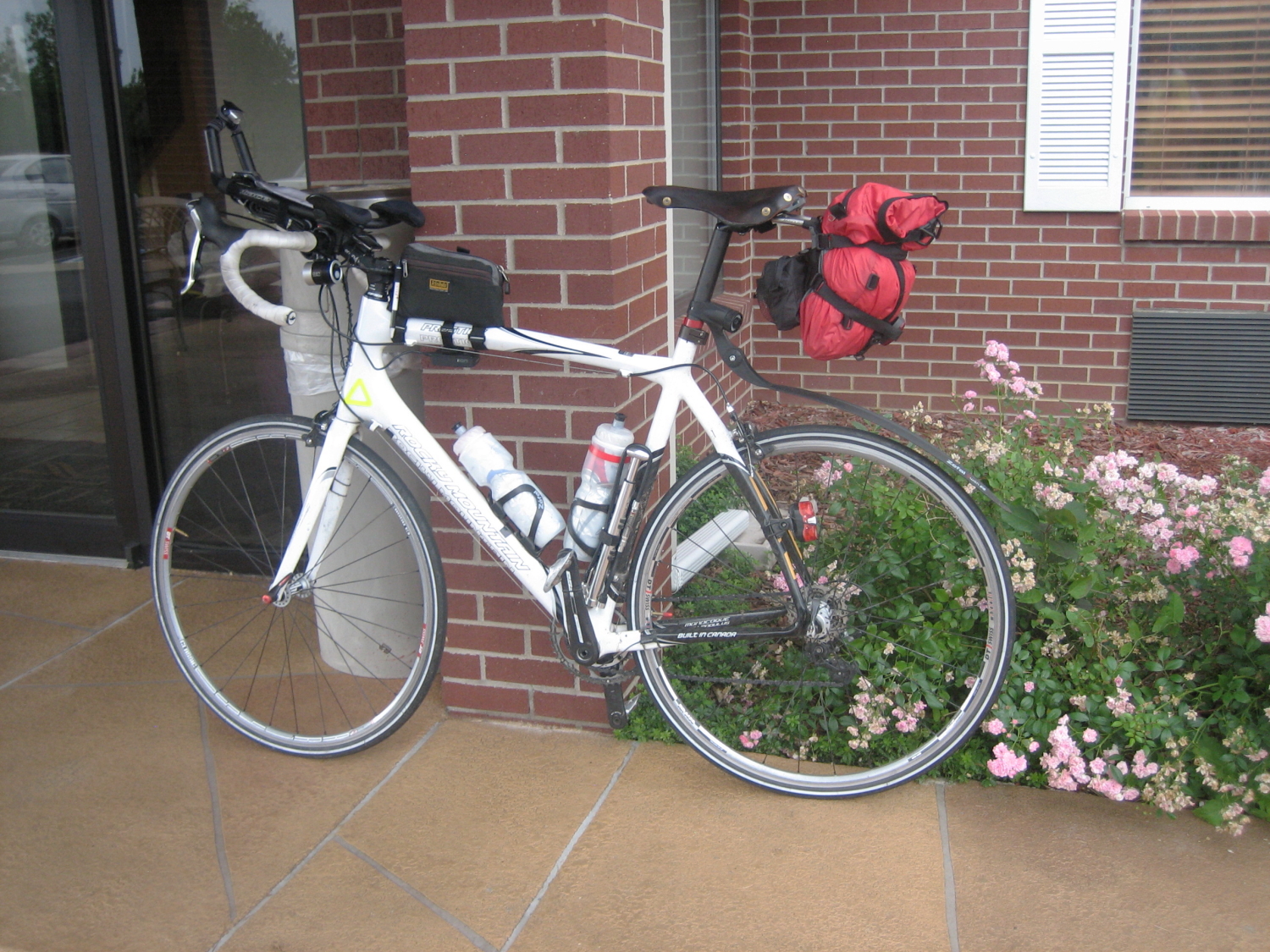
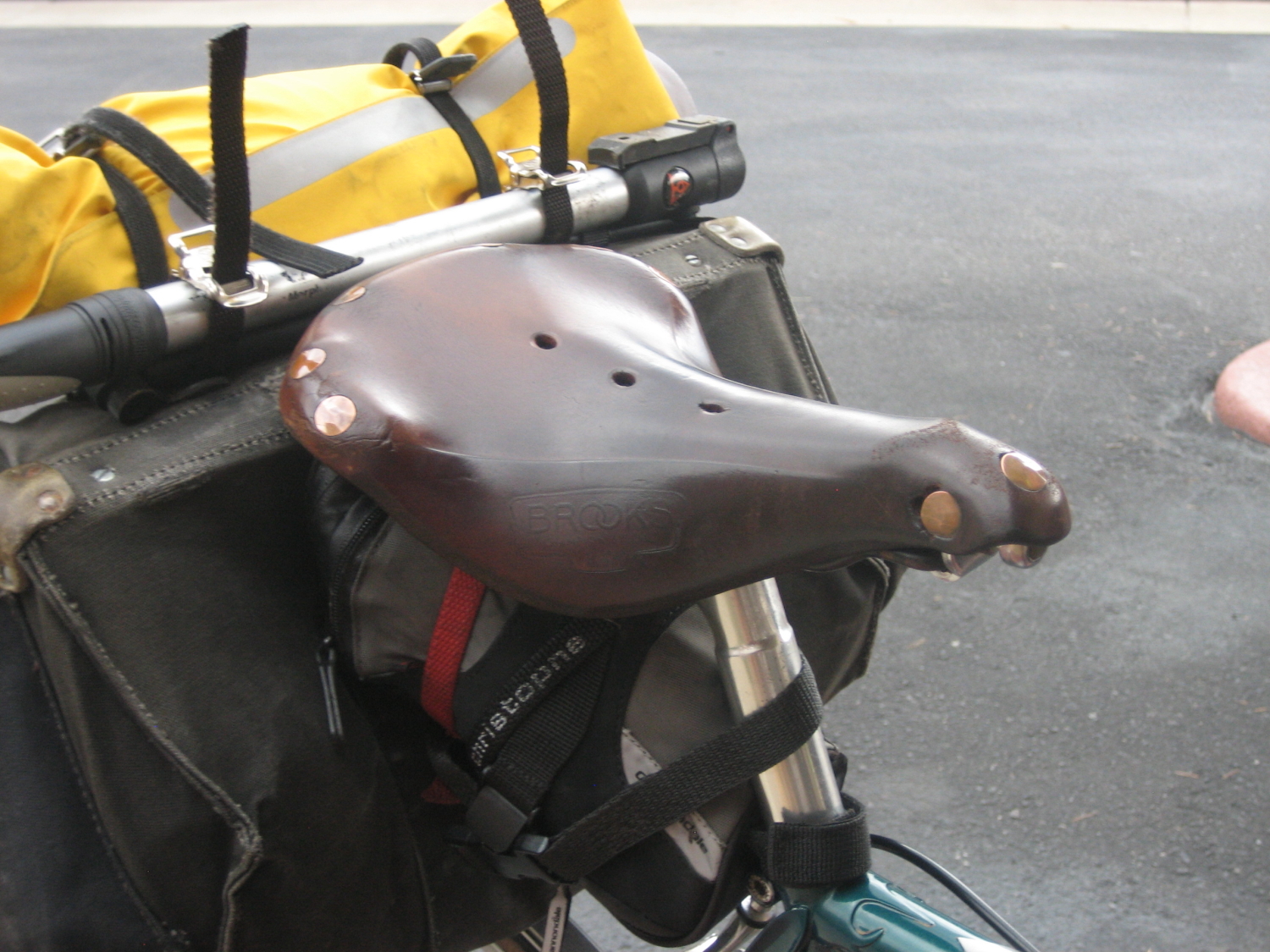
Also of note, new equipment which I was testing for my cycling gear site, Distance Biker: Sigma PowerLED EVO lighting system (just released this month in the US), Gilles Berthoud Aravis saddle (new to me), Craft Performance Rain Jacket, Lantiseptic Skin Protectant (chamois creme), Anti-Monkey Butt powder (post ride), Zefal Swan rear fender and the Kinesis Ultralight Saddle-bag system (my own design).
Many thanks to John Lee Ellis and the various volunteers that helped out with this event
(Charlie, Jim, Rick, Sherrie, Irene, Kay, Foon, Dick & Catherine).





















 Rando Richard Blog
Richard – Was there any support during the day? Were there enough stores and services along the route?
LikeLike
Aside from the lunch stops at Walden, there was no support between the overnight checkpoints. Fortunately, because of the high elevation of this route and the overcast & rainy weather on the first two days, the temperatures were rather moderate and I was drinking less. I got by on two water bottles for most of the brevet, except on day three, where I packed three for the long 55 mile section out of Granby (including a long climb in the heat of the afternoon). If the weather had been dry, hot and windy, then I may carried three bottles on the other days too. I wish there had been some water drops at key locations. We had VERY favorable winds, but if the wind had kicked up (i.e. Grand Canyon 600K), I may have looking for water more often.
LikeLike
Not to get personal or anything – how did the saddle work out? I remember on previous randonnees, this was a real show stopper.
LikeLike
Loved it. For me…better than the Selle An-Atomica. And much lighter too, with Titanium rails. I was worried about using aerobars with a non-padded saddle, but it was just as comfortable out on the nose as my plastic saddles were. I will be posting more on this topic later on my saddle blog page.
LikeLike
Nice post! Wish I would have known you were there with your bag system. I’ve looked at the photos on your website and would have liked to have checked it out in person. I’ve been using a Carradice Junior with a Bagman support this season. Better access than the stuff-sack-strapped-to-the-saddle I used previously, but still not perfect.
LikeLike
Richard, the Distance Biker website says the Kinesis bag system doesn’t work with Brooks saddles, but the photos above look like you’re using one with a Brooks. Do you have a bracket for Brooks now?
LikeLike
I used a Gilles Berthoud saddle for CHC1200, not a Brooks. GB saddles require no adapters. Meanwhile, I have two new Brooks adapters here, and will post photos of them with pricing on my site next week.
LikeLike