Sinking Legs while Swimming

Here it is February and I have been consistently swimming since November of last year (2 – 3x a week). On my last post I reported problems with bi-laterial breathing. I have finally settling into breathing on one side, every other stroke (instead of every third stroke as with bi-lateral), BUT I switch sides every 25-yard lap.

It seems my times for a mile are still rather slow, despite having plenty of endurance (42-47 minute miles). Last week, I asked the student coach at my pool to evaluate my kick technique. She said she noticed that my legs were sinking more than they ought to. Per her suggestion, I took a small paddle board and worked on kicking. Oddly enough, I still was not able to get my feet out of the basement…they just sink, causing a ton of drag (despite dropping my head down in front of me with the paddle board in my outstretched hands). After reading this site, I suspect my problem might related to my age-old ankle injury. My left ankle ankle, despite weeks of physical therapy, does not flex more than 10 or so degrees. Because I cannot point my toes, this could be causing a ton of drag, slowing down my overall performance.
Per this site, Karli Wilkinson says “In freestyle swimming, having flexible ankles can be a key part of your kick mobility. Increasing flexibility in your ankles allows your feet to act like flippers and gain more propulsion in the water.”

Hmmm….not much I can about that. In fact, at one point, I was considering having my ankle fused to reduce the pain when walking or hiking.

Isle San Diego Racing/Touring SUP Board Review

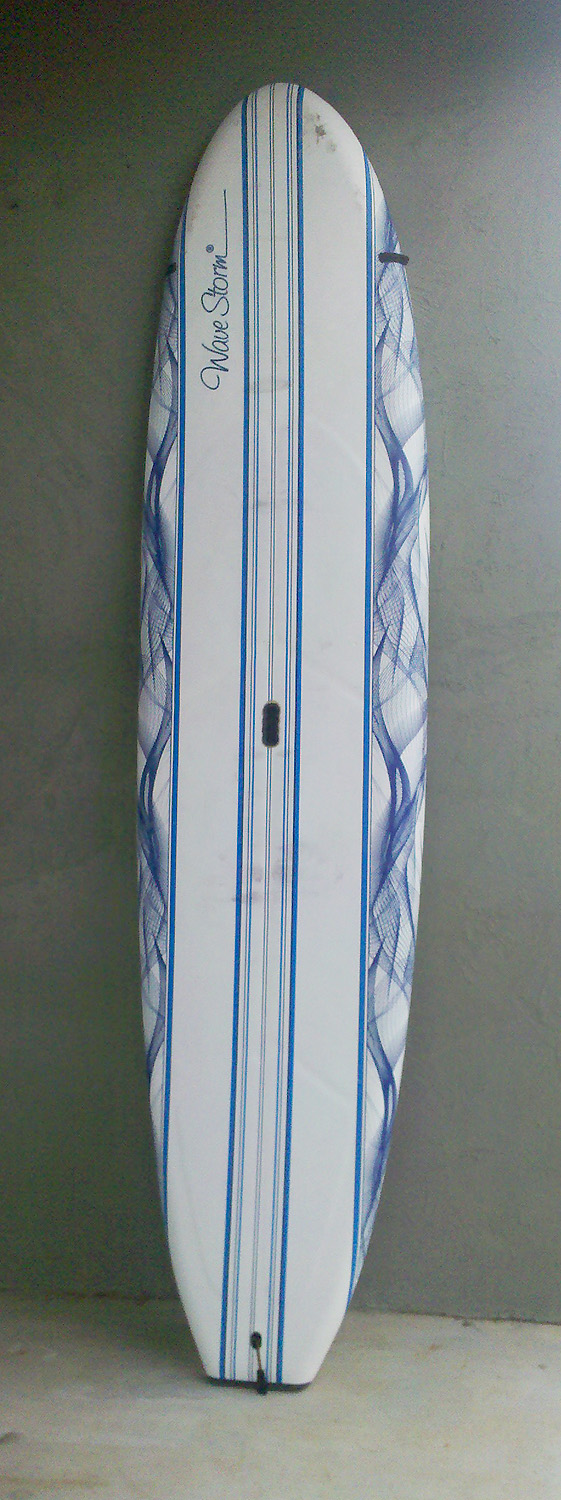
In September I purchased my first stan- up paddleboard. I found a deal on a used Wave Storm 10′ 6″ board. These were recently sold at Costco. I found one online review and it was pretty favorable, especially considering the price, which was about $800 for a new board. After purchasing it, I did more online research (I usually do that in reverse), discovering that a 10′ 6″ board is suitable for those weighing about 170 lbs. or less. I’m 6-4 / 185. This board (the blue one in the above pix) is a foam board construction with a plastic base. It has a planing nose or hull, which is best for those using a board on the coast where there are waves. The fastest I could clock it on windless flat water was an average speed of 4.0 MPH. This was for a 30- to 45-minute workout, going “all out” for my novice ability level, doing an out and back trip.

I decided that if I was going to get serious with this sport, I needed a longer board or two. I figured that I needed a training board and then perhaps a “racing” board for more ambitious events. In my mind, that meant a 12′ 6″ fiberglass board (read “durable”) and then a 14′ 0″ carbon fiber board (more fragile, but faster).

I looked at the new prices for 12′ 6″ boards and they in the $1300-$1700 range. I could not find a local used board with a displacement nose. Since this was for training, I decided to go with a rather unknown board, made by Isle Standup Paddle Boards San Diego. I got a small pro discount, so the board cost less than a grand. (Their business model is similar to my camera bag business in as much as they deal mostly customer-direct, providing a better value — no middle man dealer or distributor). I liked their honest SUP Comparison Chart that showed the difference in stability between displacement vs. planing nose designs. This board has a displacement nose similar to a kayak or canoe. This feature was found only on the more expensive boards, but is desirable for flat water paddling. I had already purchased a carbon fiber paddle so I did not purchase theirs (they only run a $100 with the purchase of a board — a heck of a value, although they only offer a “wide body” 9″ paddle which I don’t care for). The board has a nice smooth finish and the inside is made from 1.5 lb. EPS foam inside with a rugged-looking fiberglass outer skin. I liked the fact that this board had a recessed deck, putting my weight lower in the water.

My first run on this new board at a local reservoir was in awful conditions with 15-18 MPH cold winds (ambient temps about 45F) and chop. While I was boarding, I could see the blowing snow in the mountains, just a few miles to the east the reservoir which I was on (Gunnison Reservoir). I fell off the board once, while trying to navigate in a cross wind. I finally sat down and paddled for a while until the wind subsided a bit. I found this board to be a bit less stable than the Wave Storm board, but that is to be expected because of the v-shaped nose. With the Wave Storm, while paddling in flat water I could comfortably turn my head around and look at the stern without falling over. With the ISD board, I have to be VERY careful making this move, or I’d be in the drink. With this board, I have found that I like to place my feet at a slight angle against the outer  edges of this “bathtub wall” for maximum stability and comfort. Despite having an angled deck, the water still builds up a little in the recessed pad where one stands. I did find that the displacement nose of the Isle board fared better in chop (waves caused by wind) than the planing nose of the WS. The WS nose kept slapping up and down, whereas the ISD just sliced through it more easily.

Upon testing this board on a more calm day(s), I was able to push my speed up to 4.5 MPH for a 30-minute out-and-back loop (for a 2-minute sprint, I averaged 4.8 MPH). An increase of 0.5 MPH over the el cheapo Costco board doesn’t seem like much, until you look at it as a percentage — that is a 12.5% increase in speed. I was hoping for more, but then this board, despite be called a Racing/Touring paddleboard, is not recognized as a fast one. In fact the company rep indicated that it was NOT a particularly fast board, but a good all-purpose unit. I have been told that some local paddlers, on 14′ 0″ race boards typically average 5.3 to 5.4 MPH for a 2-hour, 8- to 10-mile workout. Of course, I’m 57 years old and they might be half my age (I come from an endurance cyclist background so this upper body stuff brand new to me). Still, I wonder what the speed difference between two similarly designed boards of different lengths might be — that is a 12′ 6″ versus a 14′ 0″ board, both with displacement noses. I have heard that in flat water races, the difference in times between these two categories is about 20%. Or is that simply that the tougher guys have longer boards and the real speed difference is more like 10-15%? So the $64,000-question is…will a 14-0 carbon board yield a 15% gain in speed for me? If so, that would translate to an average speed of 5.175 MPH. A 20% increase would yield speeds of 5.4 MPH. I guess if I take the 14-0 plunge, it will be next spring and I’ll find out!

This month, the average highs here in Utah are only in the mid 40s with water temps around 38-40F, so I have no desire to purchase another board until it warms up next spring. Wearing a wet suit is mandtory, although for a flatwater workout with only a mild breeze, I never fall in. The wetsuit is just insurance — sometimes I get too hot and shed my upper non-wetsuit layer.

Overall, I’m happy with the purchase, except one thing that bugs me…the recessed carry handle is NOT centered on the board so it tips towards the stern (fin side) when carried under the arm. I know this is not rated a “high end” board, but hey guys, at least center the carry handle — something the off brand Wave Storm board did!

Specs:
Wave Storm Board: 10′ 6″ long x 29-1/2″ wide x approx. 5-3/4″ thick.
Isle San Diego Racing/Touring Epoxy SUP Board: 12′ 6″ long x 29-1/2″wide x 7″ thick. Claimed weight is 32 lbs.

Swimming & Breathing

This fall, because it is too cold to cycle comfortably, and since there is not enough snow to ski, I have decided to try swimming for part of my cardio workout (I also visit the weight room). I have been going to the local college pool where I have been receiving lessons from a student there (Kamie at Snow College). As an adult I have never received formal lessons, so this is basically starting from scratch. She (and most other coaches) recommend bi-lateral breathing, or breathing from each side, i.e. taking a breath every third stroke. I can do the bi-lateral breathing OK, except that after a lap or two (25-50 yds), I just feel like I’m not getting enough air to swim continuous laps. I’m wondering, as a 57-year old, should I be breathing more often, like other second stroke? Below is some research I did online regarding this topic. Type bolding was added by me.

1 • Excellent video on breathing by Michael Phelps coach

2 • http://www.osbmultisport.com/articles/onesidebreathing.html > Bilateral is for shorter events only

3 • http://www.olympicswim.com/bilateral-breathing-should-you-breathe-to-both-sides-in-freestyle-swimming/ > Breath from both sides, but go a whole lap on each side before switching

4 • http://forums.usms.org/archive/index.php/t-15701.html > This guy has similar comments to what George Andersen said to me recently. “sjsturat” on this forum said:
“My solution is to do the majority of my practice yards breathing bilaterally, switching to breathe every two strokes only when the pace gets fast enough that breathing every 3 would limit my ability to hold the speed. Then in a race, I breathe every two. Those 1650 yards of lopsided breathing aren’t going to destroy my stroke, but the lack of oxygen would hurt my time.”

So no, I don’t practice like I race. I guess the bilateral breathing in practice is like a constant, low-grade drill.

5 • http://h2oustonswims.org/articles/breathe_how_often.html > “So, in training, while I do want swimmers practicing excellent breathing technique on both sides I encourage breathing on the left for this lap and on the right for the next lap, or perhaps breathing on the left for 200 and on the right for 200, and so on.”

6 • http://www.swimsplit.com/ssa1.htm > An excellent one-page primer. “Also, you should hold the air in your lungs until the moment just before your mouth breaks the surface. If you blow air out the whole time your face is in the water you may feel the need to inhale before you actually can. You’ll also lose buoyancy. So for most of your stroke you’re holding the air, then exhale-inhale just before and just after your mouth is above the waterline.” “If you need more oxygen than you can take-in every third stroke, breathe every second stroke and switch sides often.”

7 • http://www.totalimmersion.net/forum/archive/index.php/t-1512.html see “terry” > Finally, something online about older people and their breathing rate:

“At age 30 I could breathe every 5 or 7 strokes – if necessary. At age 40 I could breathe every 4 strokes – if necessary.
Nine months short of age 60 I can breathe every 3 strokes in the pool if I stay very relaxed. If I add any effort I need to breathe every 2.
Like CMP I pretty religiously breathe to the right on odd lengths and the left on even lengths.

In open water, with flip turns removed, I can swim a pretty brisk pace for a good long time, breathing every 3, but increase breathing frequency as needed by doing
2R2L
3R3L
4R4L
etc.”

Here’s one comment debunking bilateral every 3 stroke swimming…RobM77 said
“Assuming we’re talking purely about longer distance swimming (100m+), bilateral breathing is my preferred breathing pattern. However, my [very good] TI coach tells me that breathing every stroke cycle to one side only (i.e. every time the left arm recovers, you breathe; then swap after a length to the right etc) is the best way to swim. Apparently it’s been scientifically proven that the advantages of more regular intake of air outweigh the disadvantages of breaking one’s streamlining slightly. In addition, when one breathes to a ‘new’ side, the head is inclined to lift higher, whereas after two or three breaths to one side you become better at it (short term muscle memory).”

8 • http://www.virginactive.co.uk/active-matters/articles/exercise/open-water-swimming > Doesn’t this comment contradict the comment # 5 above?
“Master bi-lateral breathing…Not exhaling fully is one of the most common reasons for running out of oxygen.”

9 • http://www.livestrong.com/article/415452-how-to-breathe-during-triathlon-swimming/ > “Exhale your entire breath through your nose while your face is in the water. You should continue to exhale through your nose until you lift your head out of the water for another breath.”
“You should continue to exhale through your nose until you lift your head out of the water for another breath.”

10 • http://forum.slowtwitch.com/gforum.cgi?post=3414931 > Excellent comments “I’ve coached college swimmers and triathletes with the advice of bilateral breathing.” “The pattern is too long as an interval. Most triathletes try “breathing every 3rd”, which means something like “right breathe, left stroke, right stroke, left breathe.” This is too long between breaths and compromises aerobic capacity.” “I still “come home to mama” and breathe right-sided when a pool race gets intense or in the longer reaches of a tri swim.” “My advice: find videos of the 2008 Olympic Open Water swim or any of the major triathlons, or the 1500m pool swims. You’ll see that these swimmers are breathing bilaterally. The difference is that they breathe one side for a long stretch of strokes and then breathe to the other for a few strokes. They do this to maintain aerobic respiration and balance and sighting. Breathing every third is great for moderate warm-up or practice pace, but not for competition.”

11 • http://forums.usms.org/showthread.php?t=14732&highlight=breathing
“If you run out of breath and can only do 1-2 laps it’s not because you don’t have endurance. It’s because you are swimming a wrong technique.
When I started with freestyle I was already swimming breaststroke for a year or two.
I was also a good cyclist and had a high endurance but still could only manage 1 lap and then I was totally out of breath.
Swimming with a pull buoy helped a lot.
You need to find the right body position. Don’t worry. You will eventually be able to swim 4 laps, then 10 and all of a sudden 100.”

12 • http://forums.usms.org/showthread.php?t=14505&highlight=breathing
“2) The first thing I ask swimmers to work on is to NOT exhale powerfully and completely empty out their lungs when they push off the wall and/or on the breakout after a turn. Rather use a slower/controlled release.
3) On the first arm stroke/breath I find that have a small amount of air left that I exhale quickly/forcefully just as my mouth reaches the position of taking a breath…it has the effect of clearing water as well as that last bit of depleted O2.
4) The inhale is not a long/slow/deep process but rather a fairly quick and somewhat shallow inhale the length of which should be determined by your arm tempo/speed vs. the other way around.
5) At lower speeds I actually hold my breath for what is probably about 1 second in the stroke cycle and begin a controlled exhale as my opposite arm cycles into it’s entry phase.”

13 • Swim Smooth is an excellent site if you are looking for “how to videos,” although I didn’t see any videos on flip turns.

The Whiter the Bread, the Sooner You’re Dead

When I was growing up, my mother and many of her sisters (she came from a family of 15 siblings), espoused a good diet to increase one’s health and/or to increase your lifespan (several of them published books on this topic). They had a slogan, which I’ll never forget, which is “The Whiter the Bread, the Sooner You’re Dead.” I was brought up on homemade apple sauce and whole wheat bread. Wonder bread was a big no-no in our home.

Although I’m nearly 60 years old, and despite participation in many cardio-intensive endurance sports, I still have a moderately high cholesterol (total of 246 in the summer of 2011), which is most likely is due to my “bad genes.” I take 10mg of Simivistian (sp?) daily to bring it down below 200.

In September a CNN special ran that REALLY got my attention. Featured on the show was Dr. Cardwell Esselstyn. Since then I have purchased and read three compelling books on this topic, written by him, his son and another colleague. They are The China Study (recommended by my brother Karl), The Engine 2 Diet and Prevent and Reverse Heart Disease.

Essentially they preach that much of the western world is dying from “Diseases of Affluence” like cancer, diabetes and coronary heart disease (a diet which is loaded with dairy, meat, refined or packaged foods). On the other hand, those living in less developed countries are dying of “Diseases of Poverty” which includes pneumonia, pulmonary tuberculosis, rheumatic heart disease, diseases of pregnancy etc. (diseases which we have all but eliminated in the West). The diseases of affluence are almost unheard of in many of these less developed countries. Their diets, especially in rural China, where this study took place, are a stark contrast to ours. It includes raw foods, beans, veggies, whole grains with minimal meat or poultry. (See the book The China Study, p. 75-76 for more detail). This book says “Here in America, we are affluent, and we die certain deaths because of it. We eat like feasting kings and queens every day of the week, and it kills us” (p. 109). These authors claim that a vegan diet may reverse many types of heart disease and lower your cholesterol. The goal is to bring one’s total cholesterol below 150 (according to most US physicians, anything under 200 is considered OK) and LDL or bad cholesterol below 80.

Since then I have made some household changes in my diet. I have dumped nearly all dairy from my diet and have cut my meat intake to maybe once a week. I have increased my veggie intake a lot and have made an attempt to reduce my tendency to inhale sugar (ice cream and chocolate are my shortcomings). So far, I eat more often (grazing) and I even have evening snacks so I never go to bed hungry, yet I’m still maintaining a decent body weight. (Previously, while on my diary-rich diet, I would try to not eat much of anything after 8 p.m. in an effort to keep my weight down). The purpose of this radical diet change is NOT to lose weight, but rather to bring down my cholesterol, reduce any possibility of heart disease and possibly increase my VO2 Max (my ability to use oxygen during athletic events).

I plan to get my blood retested next spring to see if these plans works. Stay tuned. May 2012 Update: After about 90 days on a fairly strict vegan diet, my total cholesterol dropped 2-3 points. Disappointing — I’ll test it again later this fall perhaps.
Here is a note I posted on a recent family blog about the topic of healthy food and a vegan diet. “CONVENIENCE: We are a society of convenience and speed. We have fiber optic internet, G4 phones, 75 MPH speed limits, 8 frames-a-second cameras, ultralight bicycles that go faster, faster dual or quad-core CPUs and yes, super-convenient food. I’m not talking the typical drive up “fast food,” but packaged food at the local grocery store. As I taught & demonstrated to a scout youth group last week: a fresh orange is better than a Fruit Rollup. A whole grain sandwich with PB and honey is better than a pop tart etc. BUT real food is messy and requires preparation. We are too hurried to pause and prepare the real McCoy. Pay someone else to prepare it and stick it in box. It goes beyond vitamins as real foods have cleansing properties that, according to many sources, reduce the probility of many “Western” diseases.”

Breaking in a Leather Saddle (quickly)

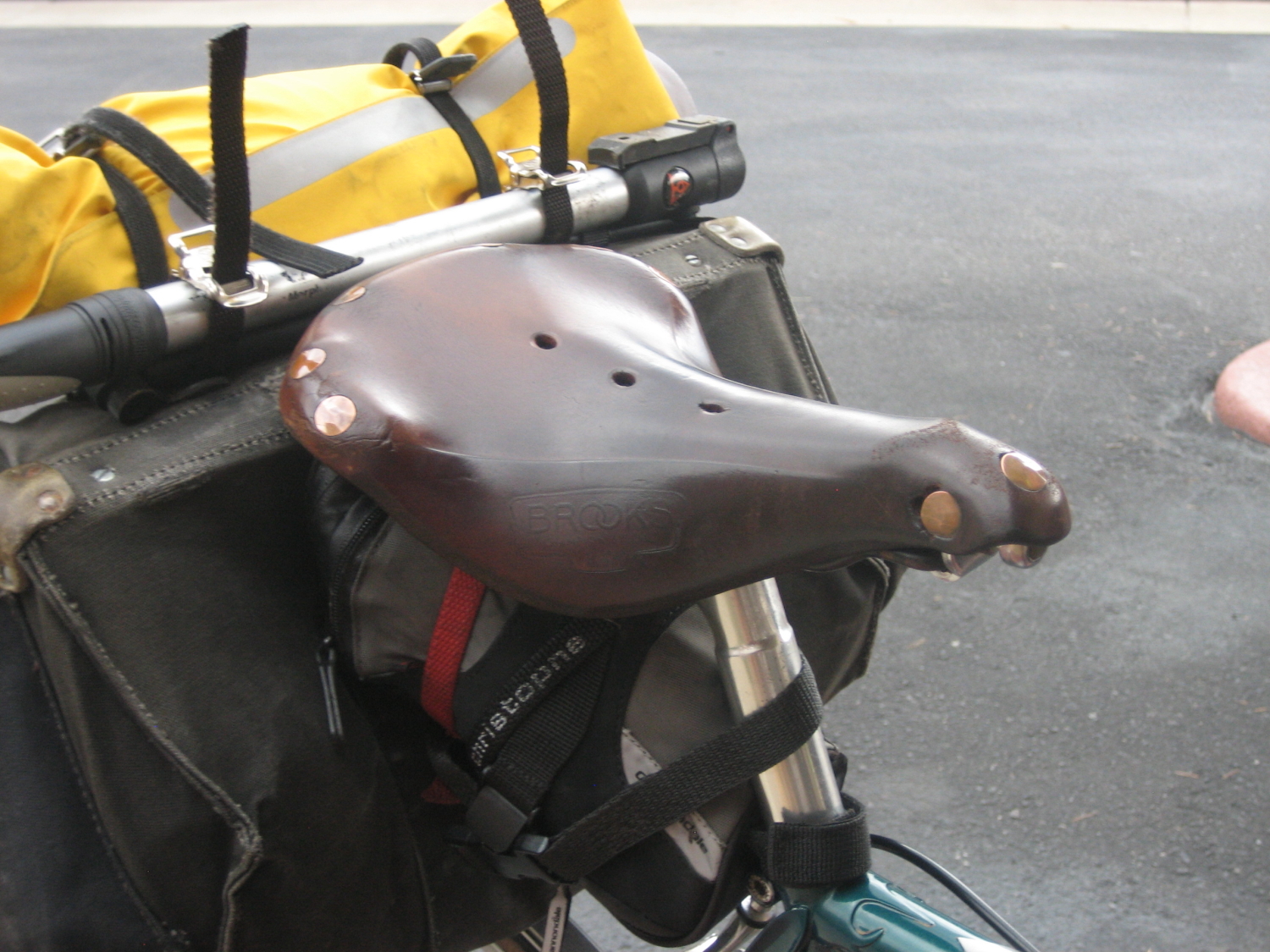
During the spring of 2011 I made the decision to try out a tensioned, unpadded leather saddle again. My previous experience with a 100% leather saddle was using the Selle-Anatomica, which doesn’t require any break in. But that saddle was heavy (no titanium model available) and the slit down the middle was not terribly comfortable for me while using aerobars. Gilles Berthoud are French-made saddles which are supposedly pre-softened, but frankly I can’t tell the difference between a new “factory softened” GB and a new Brooks, so decided to speed things along myself.

Please note that most leather saddles that have a fabric backing, i.e. Rivet and some others, will not soften much, if at all, using these techniques. On one Rivet I managed to tear off the backing which did provide a slightly softer perch.

Nearly every saddle maker says not to put anything on their saddles but their own brand of treatment stuff. They claim that oils will break down the leather too quickly—but honestly, who has the patience and endurance to sit on rock-hard saddle for three or four months while it gets broken in? The Brooks Proofide “stuff” is (or was) made from tallow, cod oil, vegetable oil, paraffin wax, bees was and citronella oil. GB also sells a small tin of “leather wax.” They both look a lot like Sno-Seal, the bees wax substance I used in the 70s to waterproof my leather mountaineering boots. But then, the purpose of Sno-Seal wasn’t to make the leather softer, rather it’s purpose was to make the leather more water resistant. One brand of mink oil, on the hand, contains a “rich blend of mink oil, silicone and lanolin which conditions and waterproofs smooth leather.”

I learned of two different methods from reliable sources of how to break in a leather saddle:

The first method I learned was similar to the directions found on Sno-Seal treatment product. The recommendation, which came from a friend that has several of the rather expensive Brooks Swift saddles. Here is what he suggested to do: “Get some mink oil, slather the saddle inside and out then bake at 150 degrees F for about 15 minutes or until the oil soaks in completely. Let it cool and buff the saddle out, it will be a chalky white. Then rub in another light coat of oil at room temp on the seat side. You will be good to go. I rode a double century on a brand new Brooks Swift saddle like this. Don’t be afraid to adjust the nut to get tension right on the leather. You will know when it is right.”

The second method is slightly more complicated, but is the technique I generally prefer because it gets the leather softer for quicker break in. This is recommended by the legendary Lon Haldeman (& Susan Notorangelo) on his blog page. He outlines 13 steps to breaking in a Brooks (or similar leather) saddle. The whole process takes about three to four days. This technique does not work with leather saddles that have a fabric or mesh-like backing on the underside like the Rivet and others. This extra layer is presumably designed to prevent the leather from sagging over time, but it is just too firm and doesn’t permit the leather to shape or become softer. Below is an abbreviated version of his 13 steps. WARNING: light colored leathers may develop some streaks or odd looking patterns when attempting this step.

  1. (optional) Before treating this saddle I wanted to minimize any chafing and skived the edges of the leather with an Exacto blade or scalpel.
  2. Attach your saddle to your seatpost and dial in your bike fit with your preferred height, setback and overall saddle angle. Mark with tape the height of the post.
  3. Remove the saddle and post together as one unit. Immerse the whole saddle in a bucket of hot water (100-120F or ~43C or as hot as possible and still be able to immerse your hand in it) for around 7 minutes. Remove the saddle and flex the sides of it with your fingers. Lon says “The saddle should feel pliable but not limp. If the saddle still feels stiff then soak it another 5 minutes. Do not over soak it because you only want to break in the saddle about 50% during this first process.”
  4. Remove the saddle from the water and quickly dry it off with an old towel. Rub the top, bottom and edges of the leather with plenty of mink oil. Massage it into the leather for about 3–5 minutes, particularly in the sit bone area. Do not wipe off the mink oil. Mount the saddle on your bike and immediately go for a 10–15 minute ride. Using old shorts are recommended. Personally, I like to use a pair of unpadded Lycra running shorts so my sit bones protrude better.
  5. After your ride, add more mink oil to the top. Check the tension screw of the saddle. Usually I back it off all the way and then re-tighten it until it just begins to be sung…and then turn it another full revolution. Frequently I will tightly wrapped a strap around the entire saddle and post, like the ski strap shown below, to keep the shape of the saddle. This especially helps keep the side panels in without lacing. Let it sit overnight.
  6. The next day, if it still feels too firm, repeat steps 3 & 4 if necessary and go for an hour ride (on one occasion I went for a 4-hour ride, which proved to be too much for the Brooks Team Pro).
  7. Add more mink oil each day and go for increasing longer rides for the next two days. Be sure to keep the saddle well oiled for the first month or so after breaking it in.

For me, within three days I was off and running with a new leather saddle that gave me plenty of comfort without the tireless break-in time that is commonly associated with this style of seat. I was able to ride a one-day 200K (125 miles) immediately without any problems down under. NICE!

Bird Island (my first SUP adventure)

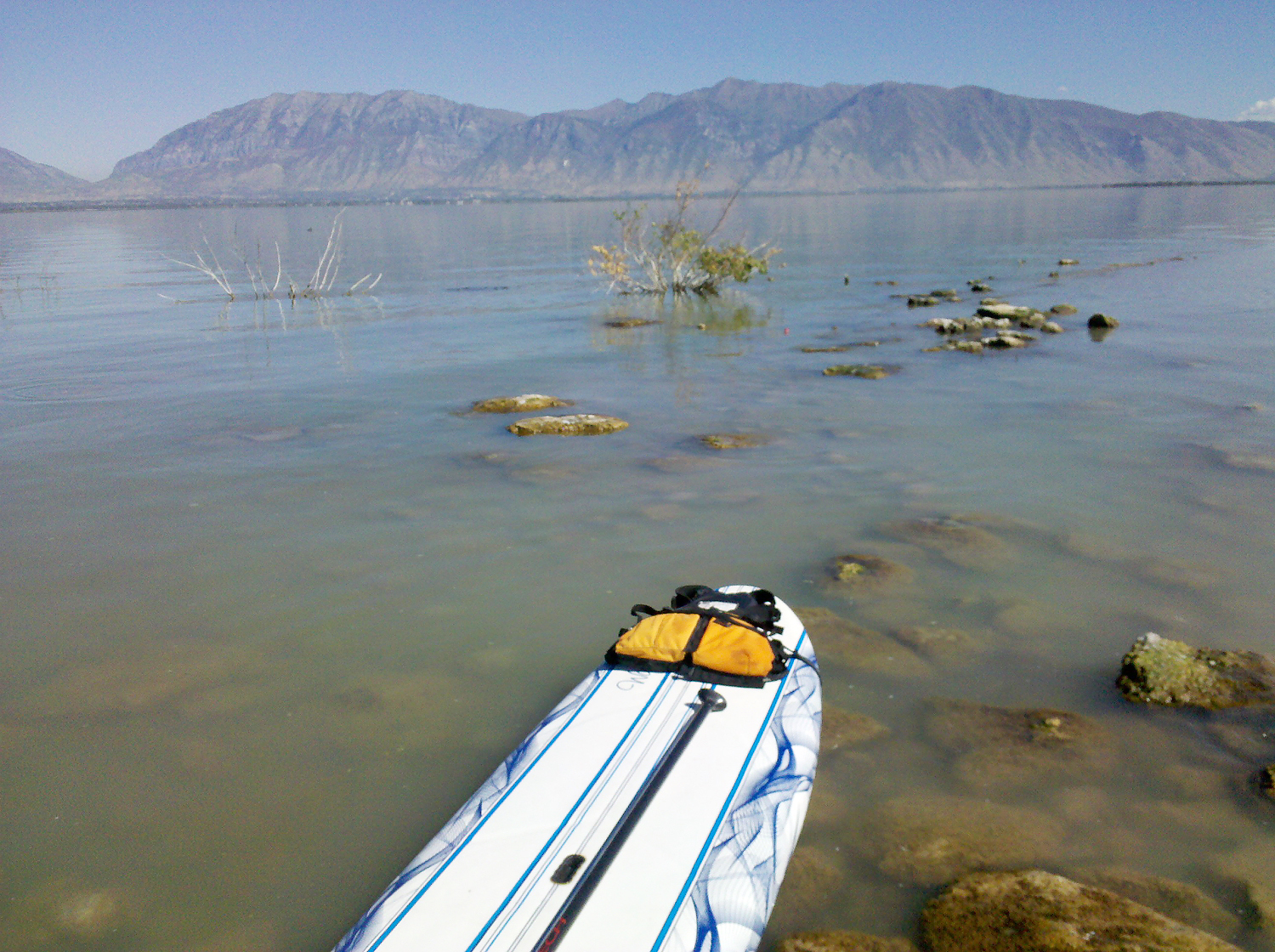
I carried a PFD as precaution as because most states require a PFD and a whistle when traveling on their lakes or reservoirs.

In an effort to get a more balanced (upper) body, I purchased a used stand up paddleboard in August (SUP, also called stand up paddle surfing). After a half a dozen training trips at some local reservoirs and lakes, I decided to paddle out to a small landmark in Utah Lake, called Bird Island on September the 30th (2011). I had not been there before. The forecast was for a pleasant 87F. It is 2.2 miles from the Lincoln Beach Boat Ramp (no fee like the State Park near Provo). I had printed the coordinates as found on a local website, but that sheet of paper failed to make it with into my car. I did have my GPS however. I made a GPS waypoint at my car and then I proceeded out into the lake hoping I could see the island. After 10 minutes of paddling and not being able to see any evidence of the island, I paddled over to a nearby fisherman and asked which direction the island was. He pointed in a NE direction towards Provo and said “be careful.” Using the distant mountains as a guide I proceeded in that direction, but still no site of the island. Eventually I decided I better just stop and I use the browser on my cell phone to find the coordinates. As it turns out, the “island” was in the direction of Lehi, almost due north, and not northeast as I was traveling. It indicated that the island as 1.1 miles away. I was half way there.

I used the low point near Lehi (or Point of the Mountain) as my guide and continued on, arriving at this tiny landmark, surrounded by 3 or 4 fishing boats. I was a bit surprised to find there was no dry land on this so-called “island.” After taking a few photos, I quietly paddled over to one of the boats. One of the fisherman, clothed in a classic wife-beater shirt and smoking a cigarette, remarked “you came clear out here on that?” I asked him if this island was always submerged. Apparently it is typically not always under water, but because of the banner snowfall the previous winter, it was submerged this season.  Afterward I reversed my visual coordinates and paddled back to the prominent tree, visible near the boat ramp, some 2 miles away.

Stats
GPS Coordinates (UTM, 12T zone):
Lincoln Beach Boat Ramp – 0431557 E, 4443892 N
Bird ”Island” — 0431781 E, 4447528 N

Gear Tested
• 10′ 6″ “much too short” Wave Storm board with a custom Velcro PFD tie down strap system which I made that morning (I’m in the hunt for a deal on a 12’6″ board — if you have one, let me know).
• On my training trips I wore a running waist pack with a water bottle, but found it very awkward to drink while standing and paddling at the same time. I cobbled together a hydration pack system using components from my photo belt system which I sell (Kinesis Photo Gear, my day job), and a new compact 50 oz. Camelbak bladder, which I pulled from my DistanceBiker online store inventory. I tucked the hose underneath my left armpit and connected it to the harness of my pack. This enabling me to drink and paddle at the same time, w/o having to pause and fumble with a waist pack. This week’s project: make a prototype SUP minimalist hydration pack.
• I also noticed that the smooth shaft of my carbon fiber Surftech San-O paddle became rather slippery due to my sweat (on the lower hand position). Upon arriving home, I added several wraps of photographers gaffer tape around the center of the shaft to provide more grip. This paddle, while advertised as a 91-inch paddle, came uncut at 88-1/4″ (34.75cm). I cut it down to 86″, which is 10 inches more than my height. The weight of this wispy paddle was 552 grams, after cutting it down and before adding tape to it. The shape of the shaft is round and it has a traditional-looking with a 8-inch wide blade. Overall it is an OK paddle, but I believe that Werner makes a better mousetrap (but their advertised one piece paddles are too short for me, so I went with Surftech instead).

2011 Moab Brevet

On September the 24th I hosted the first brevet in the Moab area, called the Moab Double Whammy. It is also a 200K Permanent route that was featured in a 2011 issue of The American Randonneur magazine. The day started at 8:00 a.m. with six riders. Two of them had commitments later in the day, so they had planned on not finishing the entire route. The balance of us though were in for the long haul.

I rode with the group and we all entered Arches at the same time. As it turned out, the Park Service was having a free day, so an entrance was unnecessary. The morning temperature was a pleasant 52F — a high of about 87 degrees was reached later in the afternoon. The ride out to the end of Arches was pleasant, after a quick climb just past the entrance. Despite the narrow road, there were no reports of wacky drivers cutting us too close. There were many visitors at Devil’s Garden Trailhead where we stopped to rehyrdrate. From there we turned around and headed back to the entrance of the park.

At that point we caught a new 6-mile bike trail that takes us up to the junction to Canyonlands. We then jumped on a highway again as we slowly climbed towards the Island in the Sky portion of Canyonlands National Park. Fortunately there was a slight cloud cover that made the climb more bearable, compared to when I did it last October. At the last water stop, which was at Arches, I filled up my third water bottle, but as it turned out, I didn’t use it. Conor reported that his three bottles were not enough for him, as he had exhausted his fluids by the time he rolled into the “I-Sky” visitor’s center. Roy and Russ had turned around before this point. The four of us cooled down at the visitor’s center, which although it had no food, had a nice refrigerated water fountain and a vending machine with PowerAide in it.

After a longish break there we proceeded 12 miles to the end of Canyonlands. We took a break from the hot sun in the shade of an RV and then rode back to the I-Sky visitor’s center where we topped off our bottles for the last time before making the final leg back to Moab. All of us arrived back at dusk, but most had lights for short trafficked portion in Moab.

All in all, the weather was as foretasted and what is typically found during the month of September. There were minimal winds and traffic was busiest in Arches, despite riding there in the morning hours when theoretically there are less drivers on the road.

2011 Colorado High Country 1200K

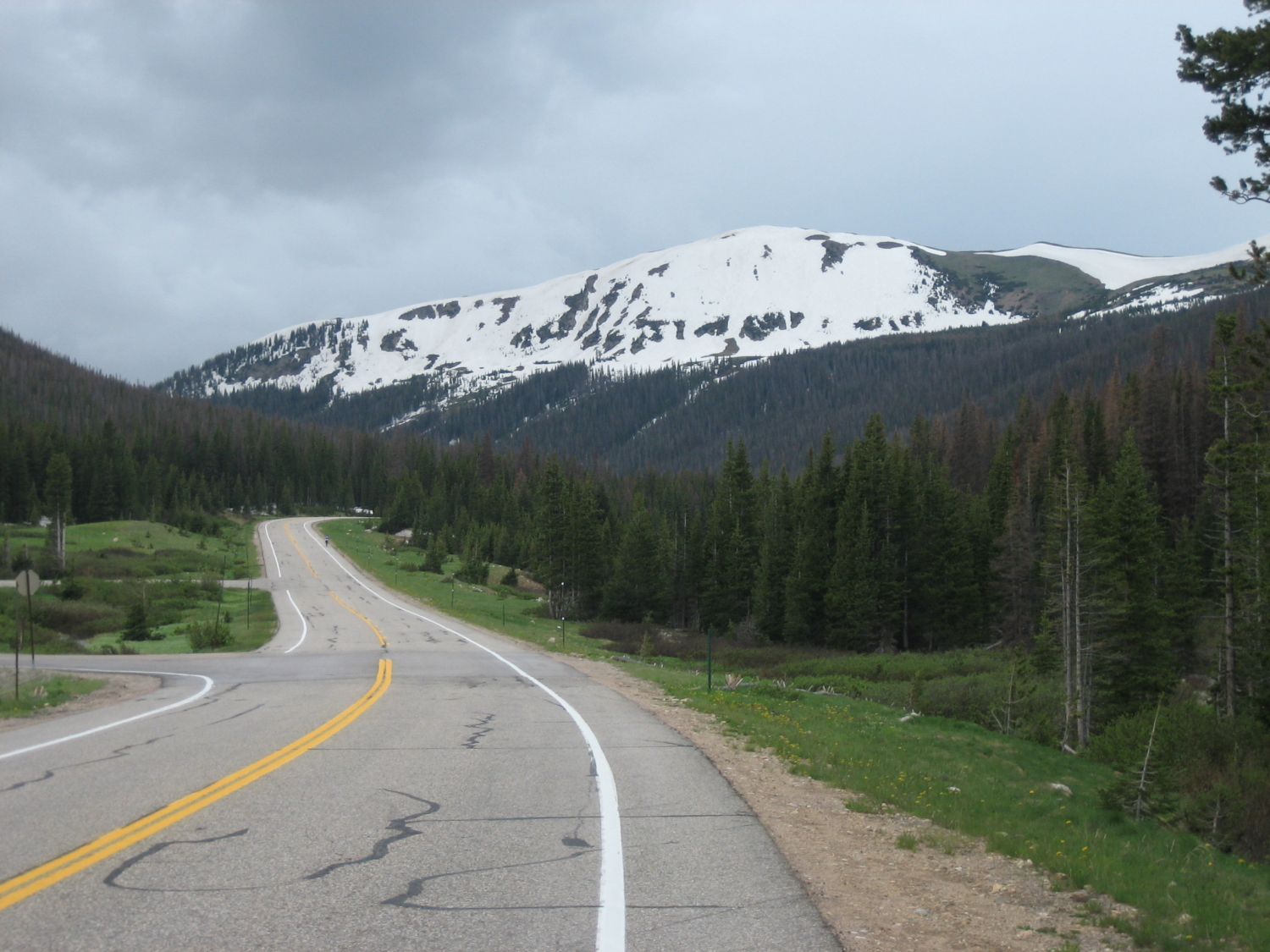
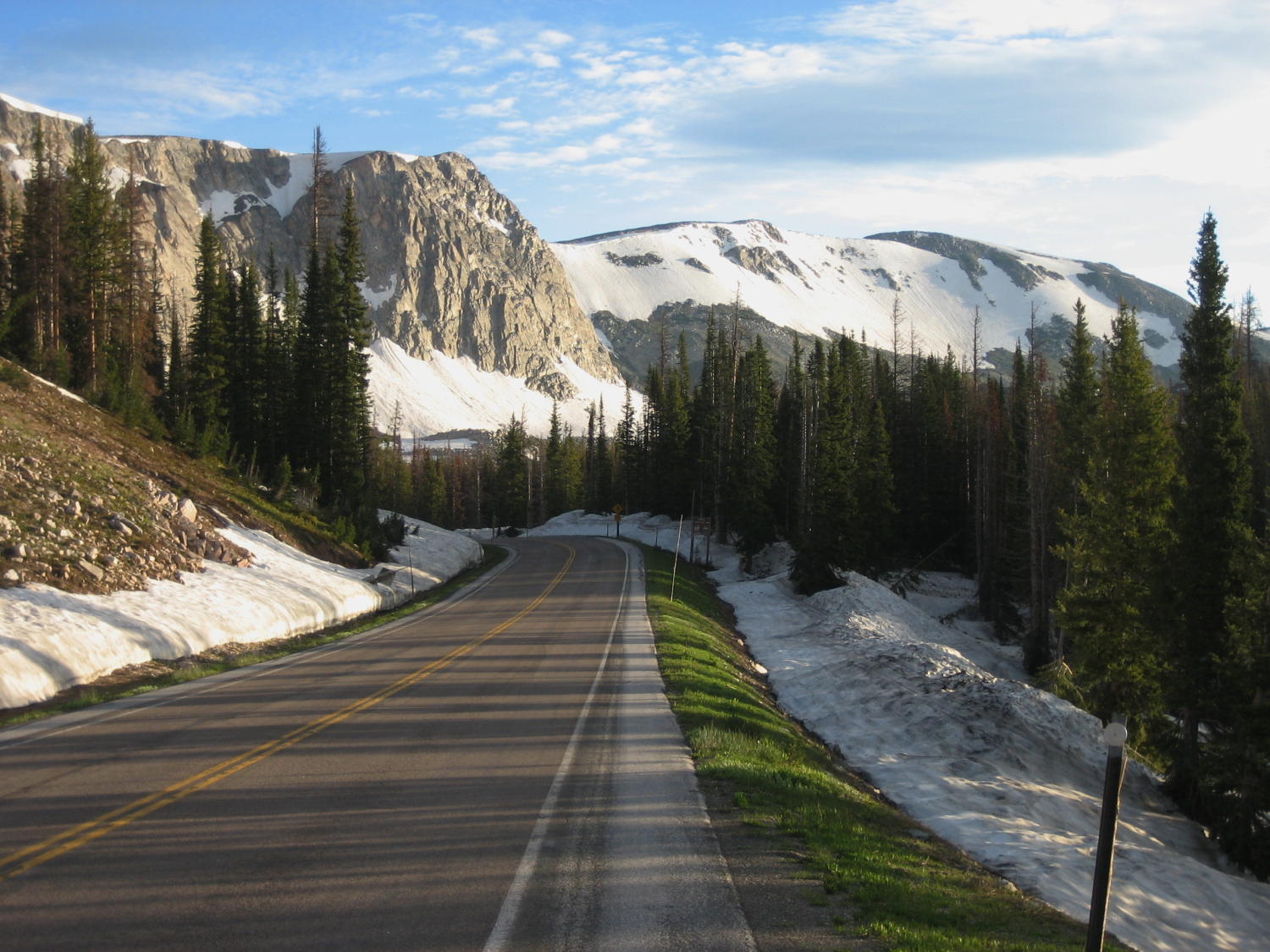
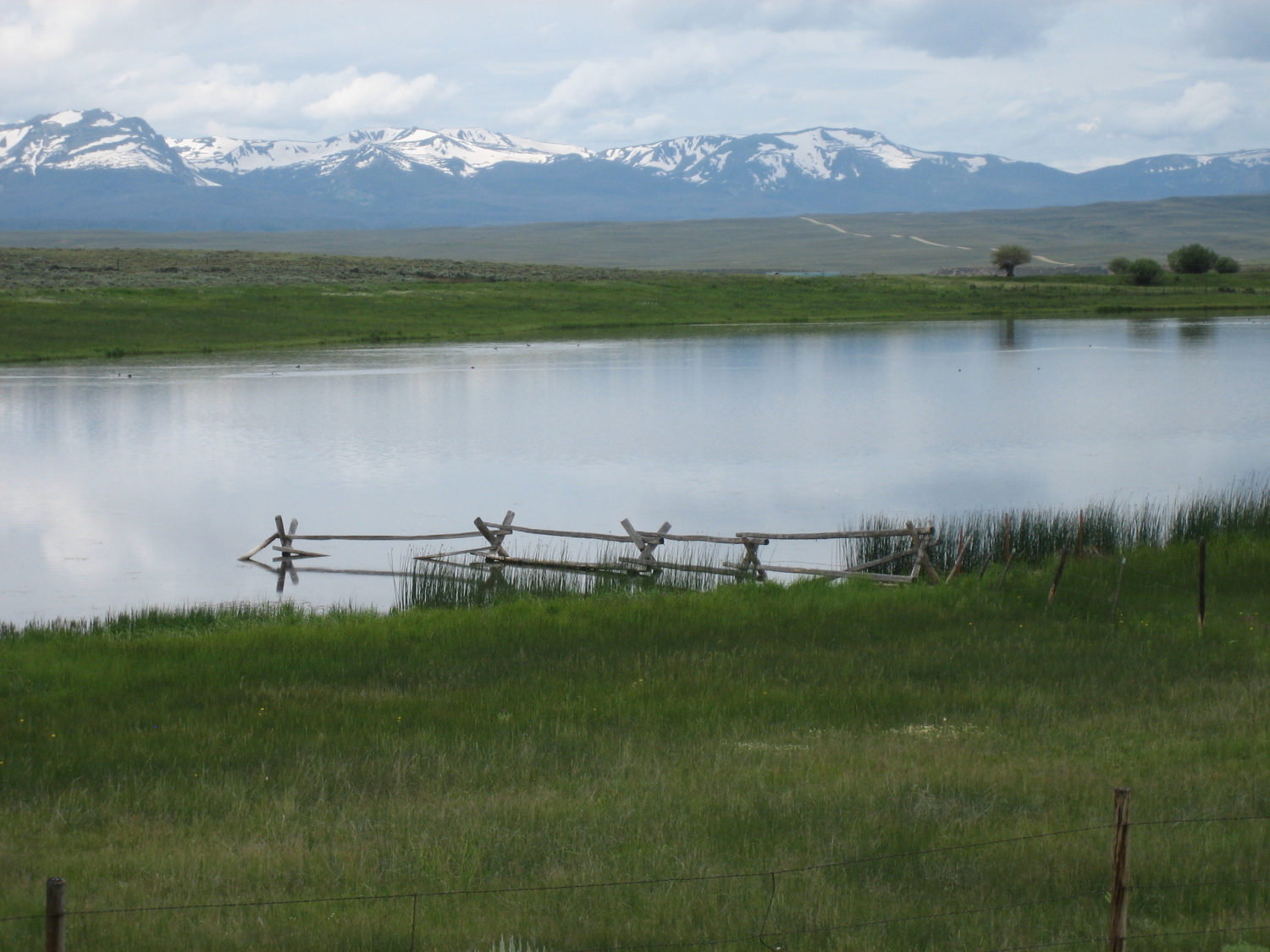
View of Mirror Lake, in the Snowy Range in Wyoming (day two). Unbelievable scenery on this ride!

Sane or Insane?

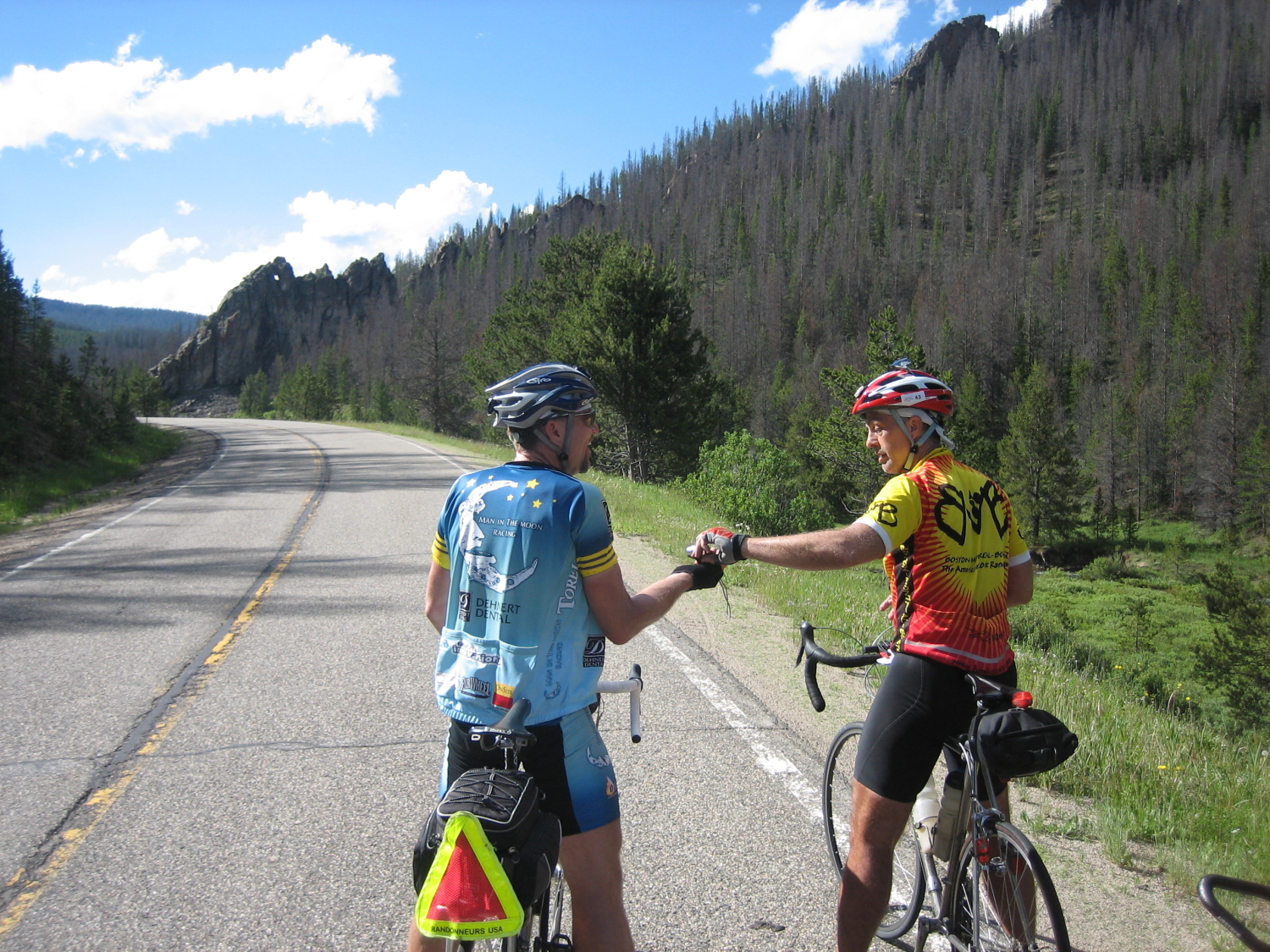
On day three, myself and three others left the motel in Steamboat Springs at 4:45 a.m. to begin another day in the saddle. The night before it had rained for several hours and the affects storm were still there — there was a dense, misty fog. I could barely see as a mist collected on my prescription glasses. Some of the others removed their clear protective spectacles for better visibility. There was little traffic, so three of us rode side by side in this midst of darkness. I was peddling with faith, hoping there were no hidden pot holes to ensnare my narrow 1-inch wide wheels. While we were moving along, a passenger in an approaching car with a window down, yelled out “Insane!”

So one might ask, is cycling 750 miles over a period of  four days, in darkness, in stiff winds, in temps ranging from freezing to 90-degree sunlight, in fog, hail, lightening, or descending curvy highways at night in the rain —  all without a support vehicle close by, a “sane” activity? Hmmm…..I’m beginning to wonder.

Introduction

My annual “big event” of the summer, was this new grand randonnée (or brevet), called the  Colorado High Country 1200.
I may add more narrative at a later date, but below are the various stages or “days” that most riders followed (some leap-frogged ahead, omitting a nights sleep). The total distance traveled was 1200 km or 750 miles. The total “claimed” vertical was 28,000 feet.

Stage Mileage Destination Climbing Max. Elev. High Points
1 219 Saratoga WY 8,053 ft. 10,276 ft. climb over Cameron Pass
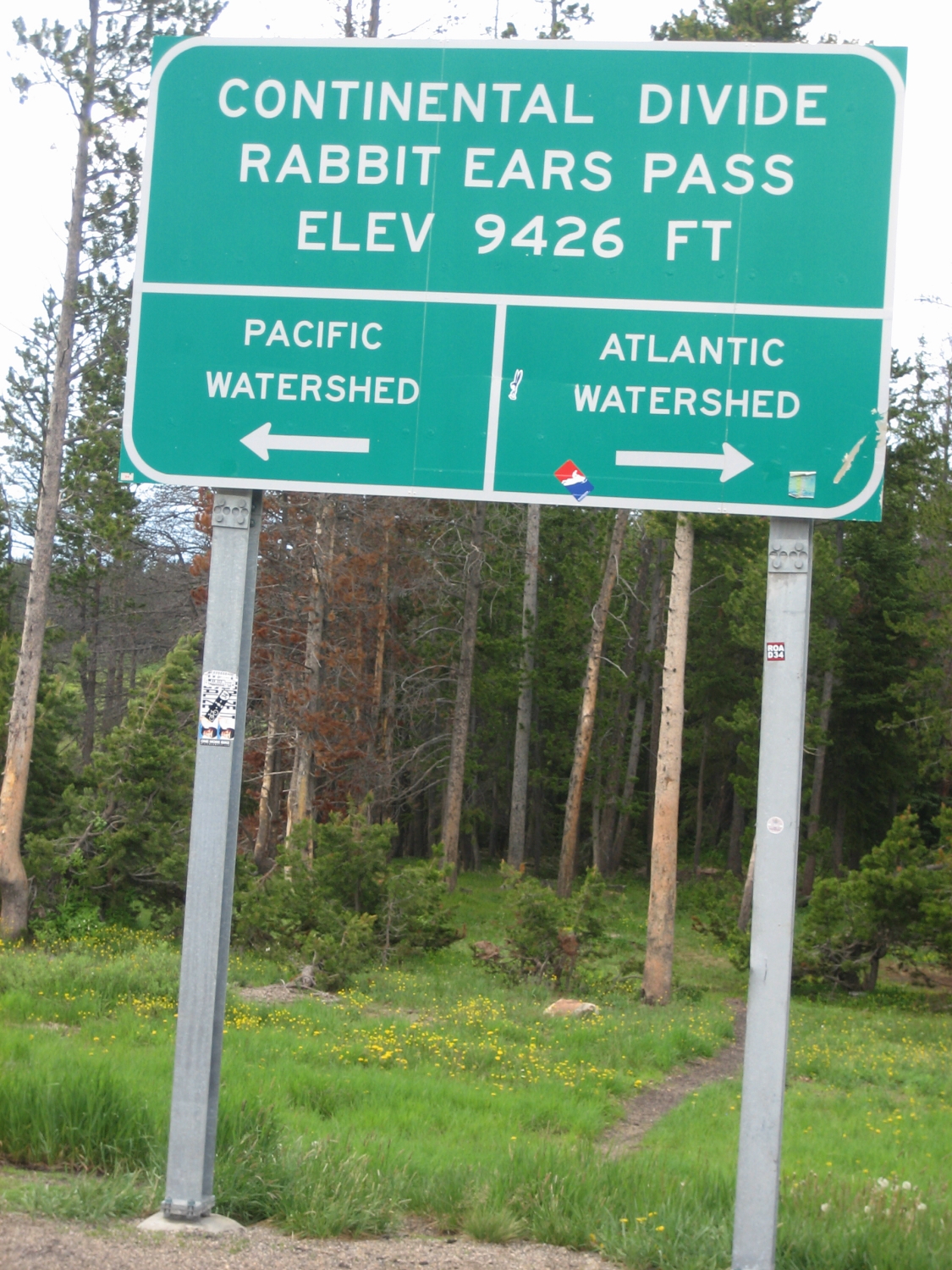
2 199 Steamboat Springs 9,079 ft. 10,700 ft. Snowy Range; Muddy and Rabbit Ears Passes
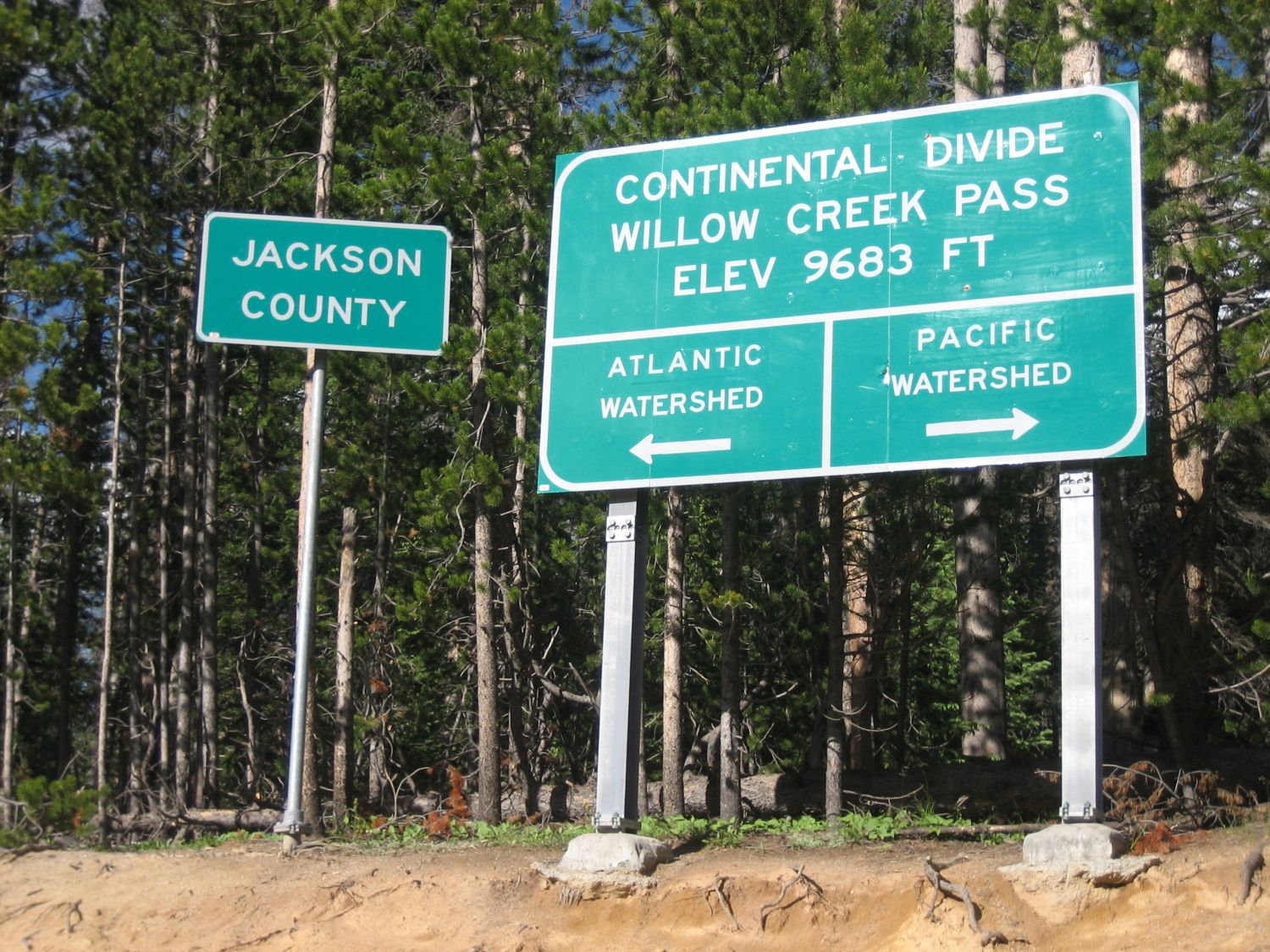
3 193 Walden 7,662 ft. 9,527 ft. climb over Willow Creek Pass
4 147 Louisville 4,157 ft. 10,276 ft return climb over Cameron Pass

The event was held from July 11th through the 14th, 2011. Because I spent 18 years in Colorado (prior to my conversion to cycling), I had a special interest in this new brevet. Aside from just finishing, I used my usual 1200 MO, which is to arrive at each overnight checkpoint before dark (usually around 7 p.m., finally retiring by 9), thereby providing me with the option for an early departure the next day if needed. I usually left the following morning between 3:00 to 5:00 a.m.

My CHC1200 Favorites List

Favorite climb: Snowy Range (stunning views at sunrise)
Favorite descent: Gore Pass (warm part of the day, very quick, nice asphalt & little traffic)
Least favorite descent: Rabbit Ears Pass (it was approaching dusk, raining heavily, several cars passing by keeping me near the slick white line)
Least favorite climb: The so-called “stiff climb” south of Laramie on day two (totally unexpected, almost 6 miles long & during the hot part of the day)
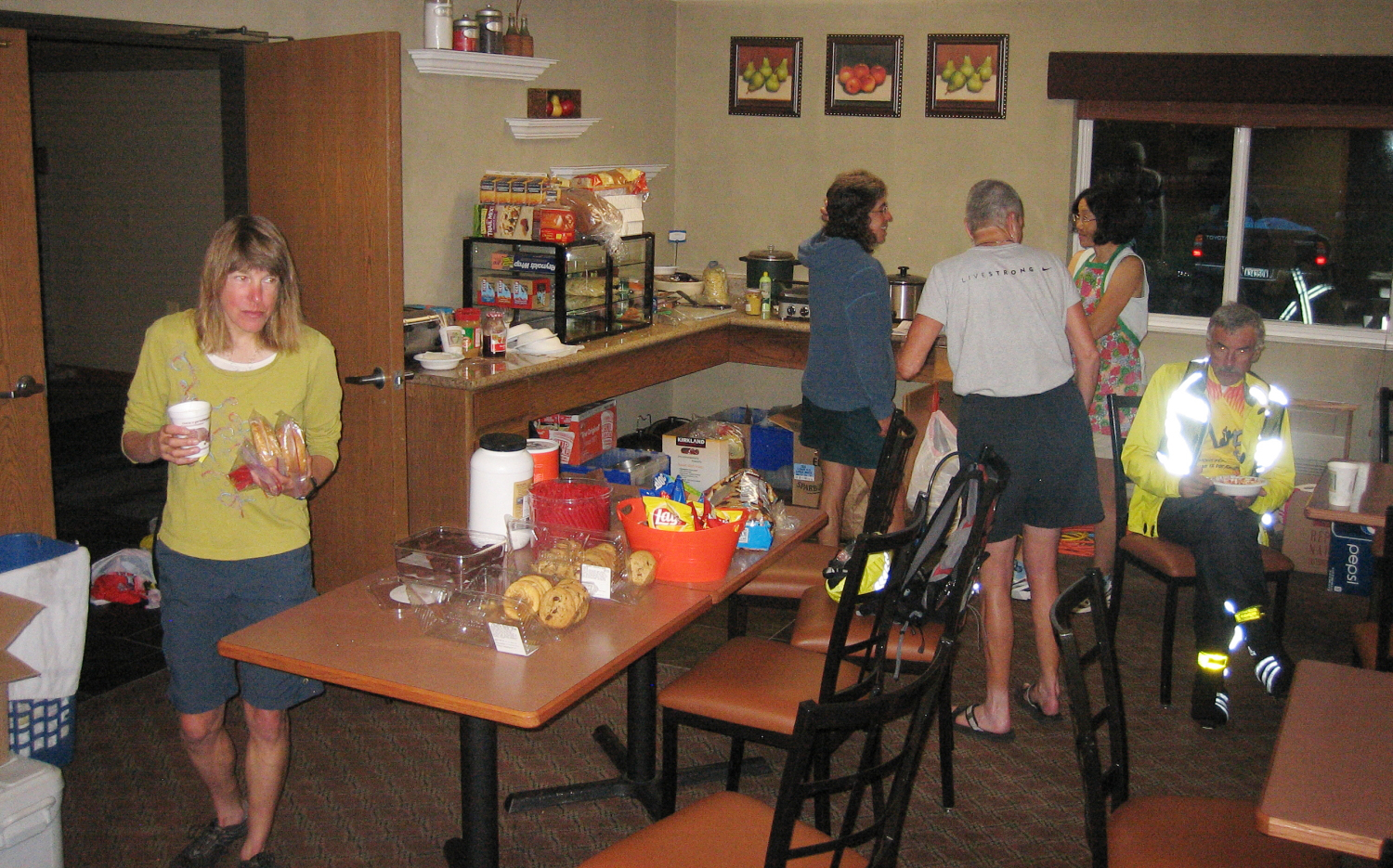
Favorite volunteer-provided supper: Cilantro Rice with Black Beans
Favorite volunteer-provided breakfast: Breakfast Burritos
Favorite flat section: The first 64 miles. (I was [barely] able to hang onto the lead group paceline, covering those miles quickly & also not having to worry about route-finding issues).
Least favorite flat section: The lead-in to Walden on day three, after descending Willow Creek Pass (a 21-mile section with many, many, many unsealed road cracks — oh yes, and also my encounter with the logging truck that nearly took me out).
Favorite checkpoint food: The grocery store in Kremmling, just as we entered town (a deli with nice selection of food, a soda fountain, outdoor shaded patio dining & large windows so we could keep an eye on our bikes).
Why this is my favorite 1200 to date: There was stunning views with every changing scenery. The opportunity to get more sleep than on previous 1200s (no hot gymnasiums floors — in fact I had a private room two nights). No flats or mechanical issues. A rather simply route and I (finally) had no route-finding errors. Little wind problems during the 4-day brevet.

Statistics

Overall finishing rate: 75%. 48 started and 36 finished. (This does not include staffers JLE & Foon that completed the pre-ride.)
My total time: 83:52 (90 hours was the cut off on this event)
My average traveling speed: 14.97 MPH
Maximum speed: 43.3 MPH
Average cadence: 74
Total cycling or “‘on bike” time: 49 hours, 52 minutes
Calories burned while riding: 15, 415 (seems low)
Heart rates: 103 average, with a max. of 154 (only 8% in the upper 20% zone, 12% in the middle and 60% in the lower zone). My maximum climbing or sustained heart rate on day one was approx. 140 BPM with a “sprinting” rate of 154 BPM. On day two, my climbing rate dropped to 115 with a maximum sprint rate of only 120 or so. On day three and four my maximum climbing rate was about 110 with maximum sprint rate of about 118.
Lowest temp recorded: 37F on the climb to Snowy Range (day two) & on the final climb to Cameron Pass (day four).
Highest temp: about 90F on day three.

Also of note, new equipment which I was testing for my cycling gear site, Distance Biker: Sigma PowerLED EVO lighting system (just released this month in the US), Gilles Berthoud Aravis saddle (new to me), Craft Performance Rain Jacket, Lantiseptic Skin Protectant (chamois creme), Anti-Monkey Butt powder (post ride), Zefal Swan rear  fender and the Kinesis Ultralight Saddle-bag system (my own design).

Many thanks to John Lee Ellis and the various volunteers that helped out with this event
(Charlie, Jim, Rick, Sherrie, Irene, Kay, Foon, Dick & Catherine).

How to Pick a Chamois Short

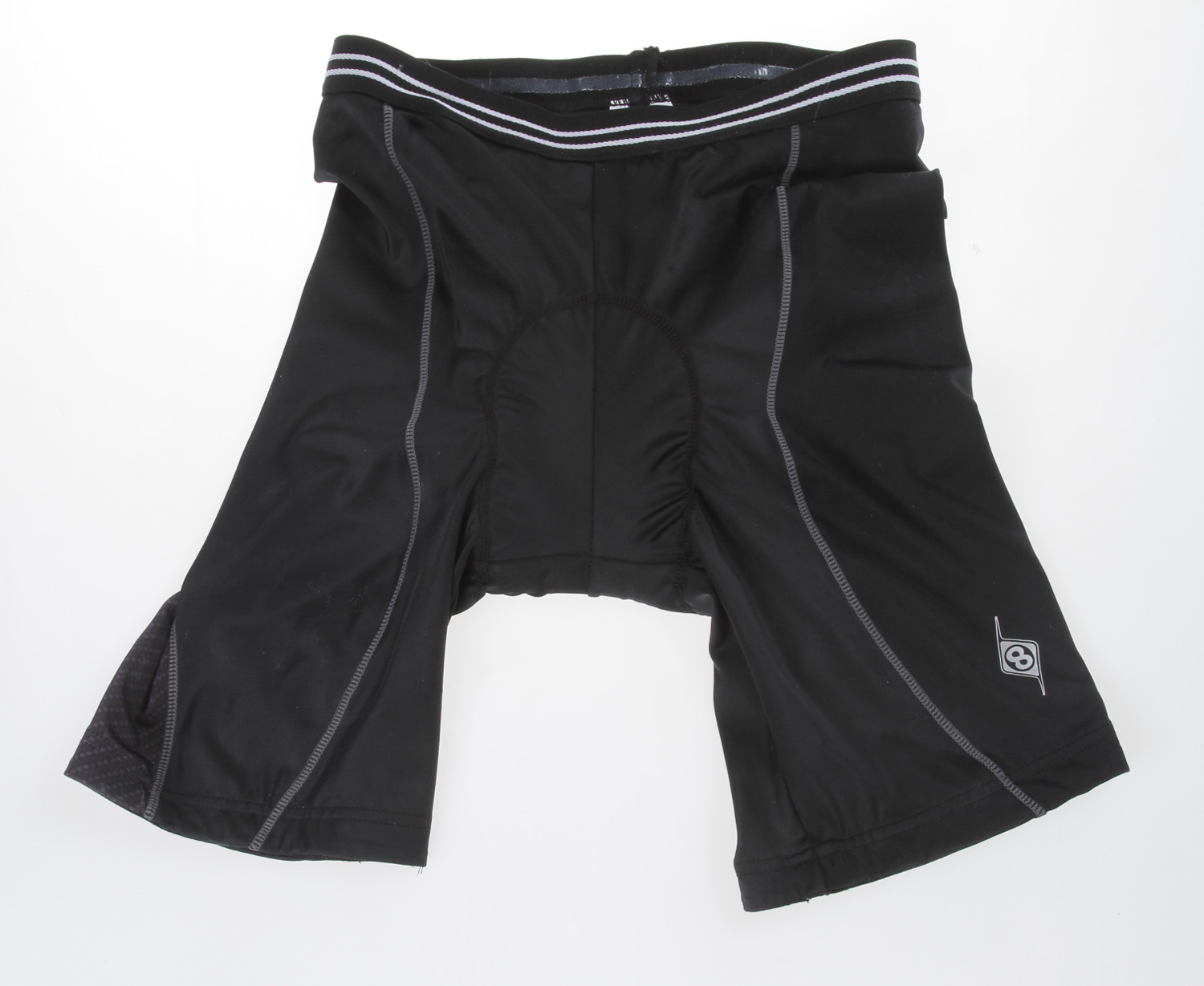
This past week I got in a pair of Origin 8 TechSport cycling shorts to review. This is the in-house brand (i.e. cheap) of J&B Importers, one of my main cycling suppliers.
First I did a 2-hour training ride, then a 3+ training ride, and finally on June the 25th, I did an 8-hour 200K ride (125 mile, self-supported “permanent”). In all cases I was using a rather new unpadded Gilles Berthoud leather saddle, which, with each ride, was feeling more broken in (I pre-softened it using tons of Mink oil). On the 200K it felt very comfortable with no apparent chafing or sit bone pressure.
As a taller-than-average person (6′ 4″), my biggest worry is that the inseam would be too short. A pair of Airius bibs (another J&B brand) I purchased previously fit like a ladies garment — way too short for a guy, especially a tall guy. The length of the TechSport short was fine and actually appeared to provide just a little more coverage than my 9″ Craft Active Shorts (which, by the way, they feature a stretchy chamois in every model they offer). The fit of the waist seemed comfortable. The “large” size fit my 35-inch waist fine. It has perhaps a slightly looser fit, compared to my Craft shorts or bibs, but felt similar to the fit of Canari products I have. The chamois appeared adequate in size, or perhaps a little on the large size, which is fine, as I am using a wider-than-average saddle. For the shorter rides, the TechSport was very comfortable and I experienced no issues. For my 200K ride I used Lantiseptic Skin Protectant for my chamois creme, applying it to both my skin and a little to the chamois. On  this ride, it felt comfortable all day, until I got home. I had a large abrasion rash on my right-hand side sit bone area. It was about 4 x 6 cm in size. My right side is an “area” where I have known problems, and, for whatever reason, is always more sensitive — but I have never had such sizable rash there before.

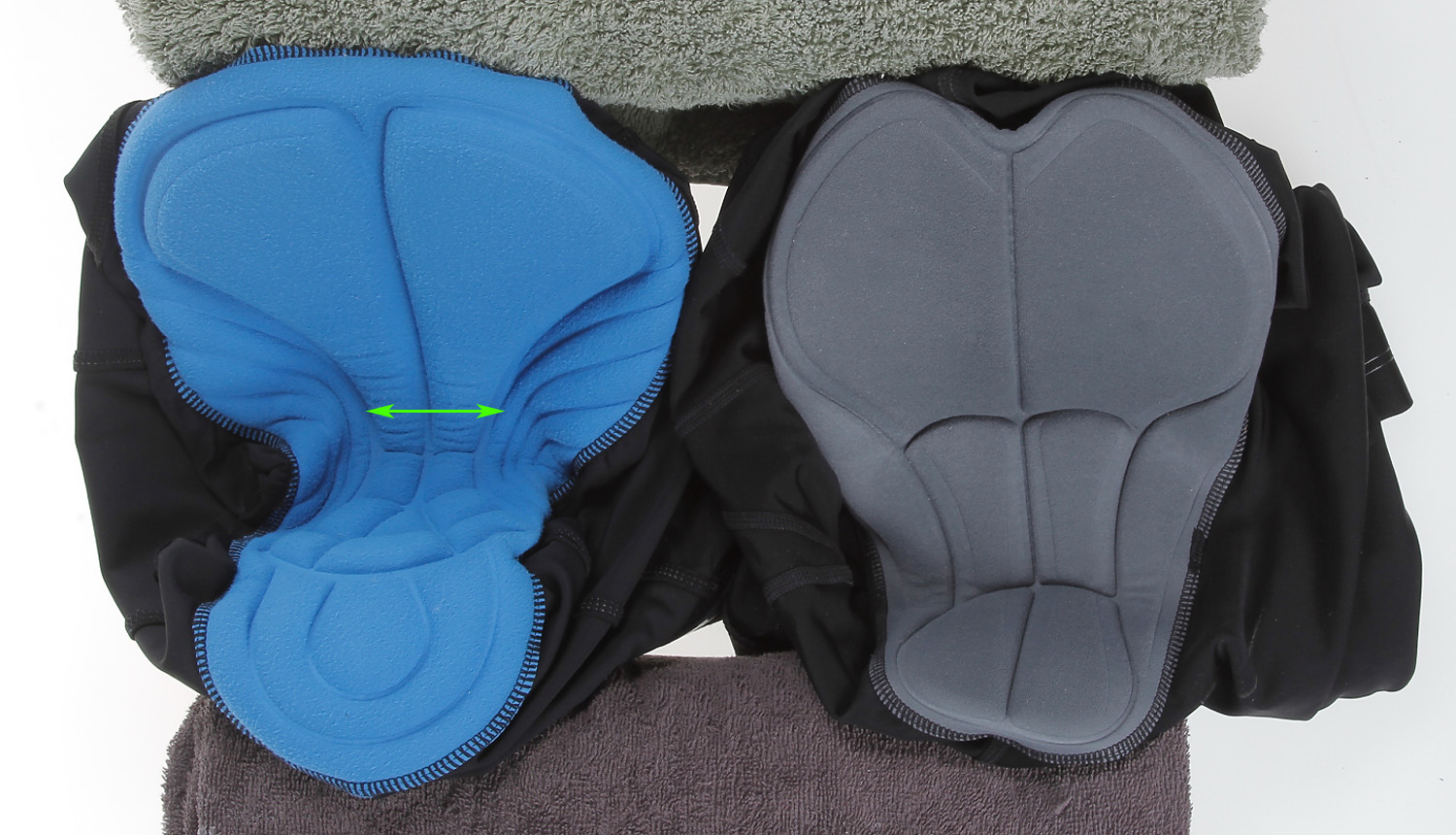
After comparing the chamois found on my Craft shorts (& bibs), I discovered what appears to be perhaps a design flaw of this generic “Made in China” product: the fold points or “scores” in the chamois are poorly placed. Look at the photo of both shorts. I have drawn a line where there SHOULD be another crease in the chamois of the TechSport. I believe those wrinkles chafed my skin during this all-day ride.

The true test will come later next week, when I do yet another long ride, using same saddle, but using a different pair of bibs. UPDATE: 3 days later, I did another (solo, self-supported) 200K with the same bike, saddle and chamois creme, but wearing a pair of Craft bibs — big difference with no chafing whatsoever,  just some very minor redness.

CONCLUSION: I cannot recommend this product for long endurance rides, but it might perhaps be OK for shorter training rides only.

So when looking at any prospective chamois shorts or bibs, hold them in curved shape, as if it was on your body, and view the positioning or shape of the wrinkles, if any!